
Sphaerocera
Latreille, 1804
Species Guides
1- Sphaerocera curvipes(lesser dung fly)
Sphaerocera is a of small flies in the Sphaeroceridae, commonly known as lesser dung flies. The genus was established by Latreille in 1804 and includes approximately six described distributed across multiple continents. Members of this genus are associated with decaying organic matter and .
Pronunciation
How to pronounce Sphaerocera: /sfɛɹəˈsɛɹə/
These audio files are automatically generated. While they are not always 100% accurate, they are a good starting point.
Identification
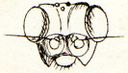
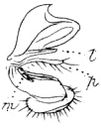
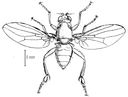
Sphaerocera are small-bodied flies, typically 2-5 mm in length. Diagnostic features for the include a rounded profile, short with aristate terminal segments, and reduced wing venation characteristic of Sphaeroceridae. Species-level identification requires examination of male genitalia and subtle differences in thoracic and abdominal coloration. Sphaerocera curvipes, the type species, has distinctly curved hind tibiae.
Images
Habitat
Sphaerocera inhabit environments rich in decaying organic matter, including of various mammals, compost heaps, and decomposing plant material. They are most commonly found in moist, shaded locations where organic substrates accumulate.
Distribution
Documented from Denmark (DK), Norway (NO), and Sweden (SE). within the have broader distributions including Europe, Asia (Japan, Korea), and potentially other regions.
Ecological Role
Sphaerocera contribute to decomposition processes by consuming and breaking down and decaying organic matter. They serve as prey for larger and may facilitate nutrient cycling in terrestrial .
Human Relevance
Members of this have minimal direct economic impact. They are occasionally encountered in agricultural settings and waste management facilities where organic matter accumulates. Some may be used as indicators of composition in ecological studies.
Similar Taxa
More Details
Type species
Sphaerocera curvipes Latreille, 1805 is the type of the .