
Heteromyzinae
Genus Guides
2Heteromyzinae is a of small to medium-sized flies within the Heleomyzidae. These flies are characterized by reduced wing venation and specific modifications of the and thoracic structures. The subfamily includes several distributed across various regions, with often found in moist, shaded environments. Larval stages are poorly known but have been associated with decaying organic matter in some .
Pronunciation
How to pronounce Heteromyzinae: /ˌhɛ.tɛ.roʊˈmaɪ.zaɪˌniː/
These audio files are automatically generated. While they are not always 100% accurate, they are a good starting point.
Identification
Reduced wing venation distinguishes Heteromyzinae from the related Heleomyzinae and Suillinae; crossvein dm-cu is often absent or faint. The combination of specific bristle patterns on the (particularly fronto-orbital and ocellar bristles) and thoracic chaetotaxy provides diagnostic characters at the generic level. Genitalia is required for definitive identification in most cases. Specimens may be confused with small anthomyiid or muscid flies, but the reduced wing venation and heleomyzid head structure separate them.
Images
Appearance
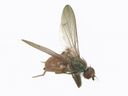
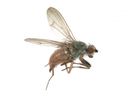
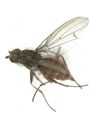
are small to medium flies, generally 3–8 mm in length. Wing venation is reduced compared to other heleomyzid , with fewer crossveins and simplified branching patterns. The often shows distinctive chaetotaxy (bristle arrangement), particularly on the and genae. typically bears well-developed dorsocentral and acrostichal bristles. Coloration ranges from dull gray to yellowish-brown, with some showing patterned .
Habitat
are found in moist, shaded microhabitats including forest understories, riparian zones, and wet meadows. They frequent decaying vegetation, fungi, and other decomposing organic substrates. Some show affinity for coastal or montane environments. Larval are inferred to include decaying plant matter, fungi, and possibly , though direct observations are limited.
Distribution
Recorded from the Holarctic region, with extensions into the Neotropics and Oriental regions. North American records span and temperate zones from Alaska to Mexico. European distribution includes northern, central, and Mediterranean regions. Asian records are scattered but include Japan, China, and Siberia. The is absent or poorly documented from Australasia and most of Africa.
Seasonality
activity peaks during spring and early summer in temperate regions, with some extending into autumn. Tropical and subtropical may show extended or year-round activity. Specific phenological data varies considerably by and locality.
Life Cycle
Complete with , larva, pupa, and stages. Larval development occurs in decaying organic substrates; specific details of larval feeding and development are poorly documented for most . likely occurs in or near the larval substrate. time is inferred to be or in temperate species based on adult seasonal patterns.
Behavior
are slow-moving flies often observed on vegetation or resting on shaded surfaces. They are not known for strong and rarely travel far from suitable microhabitats. Mating has not been described in detail. Adults are attracted to decaying organic matter and may aggregate at suitable substrates.
Ecological Role
Decomposers; larvae contribute to breakdown of decaying plant matter and fungi. may serve as prey for small including spiders and predatory insects. Specific quantitative contributions to nutrient cycling are unknown.
Human Relevance
No direct economic importance. Occasionally collected in ecological surveys and biodiversity assessments. Not known as pests, , or beneficial in agriculture or forestry.
Similar Taxa
- HeleomyzinaeShares Heleomyzidae; distinguished by more complete wing venation with well-developed crossvein dm-cu and different bristle patterns
- SuillinaeShares Heleomyzidae; distinguished by characteristic wing venation with anal lobe development and distinct thoracic chaetotaxy
- AnthomyiidaeSimilar small gray flies; distinguished by well-developed wing venation, different structure with more prominent vibrissae, and absence of heleomyzid bristle patterns
More Details
Taxonomic history
Heteromyzinae has undergone repeated reclassification, with various moved between Heleomyzidae and other including Anthomyzidae and Opomyzidae. Current circumscription follows molecular and morphological revisions of the early 21st century.
Research needs
Larval is virtually unknown for most ; rearing studies and molecular identification tools would significantly improve understanding of this .