
Heleomyzinae
Tribe Guides
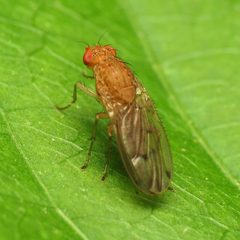
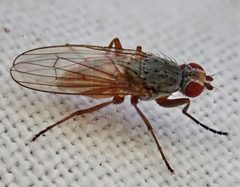
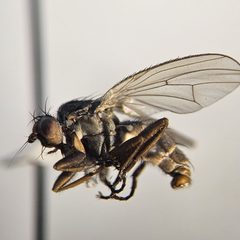
3Heleomyzinae is a of true flies (Diptera) within the Heleomyzidae. The group contains approximately 17-19 and over 400 described , though species-level diversity remains incompletely documented. These flies are generally small to medium-sized and are primarily associated with decomposing organic matter. The subfamily is widely distributed but individual species are often poorly known.
Pronunciation
How to pronounce Heleomyzinae: /ˌhɛliəˈmʌɪzɪniː/
These audio files are automatically generated. While they are not always 100% accurate, they are a good starting point.
Identification
Heleomyzinae can be distinguished from the other in Heleomyzidae, Suillinae, by subtle morphological differences in wing venation and genitalia structure. Members generally have a more slender body form compared to the typically robust Suillinae. Specific identification to or requires examination of microscopic characters including chaetotaxy (bristle arrangement), male terminalia, and wing patterns.
Images
Habitat
Associated with decomposing organic substrates including rotting wood, fungi, carrion, and . Many are found in forested environments where suitable larval development sites occur.
Distribution
Widespread in temperate regions of the Northern Hemisphere; records exist from North America, Europe, and Asia. Specific distribution patterns vary considerably by and .
Ecological Role
Larvae function as decomposers in terrestrial , contributing to nutrient cycling through their feeding on decaying organic matter. Some may facilitate fungal spore .
Similar Taxa
- SuillinaeThe other in Heleomyzidae; Suillinae are generally more robust in body form and often associated with different microhabitats, though definitive separation requires examination of genitalic and wing venation characters.