Phytomyza spondylii
Goureau, 1851
Phytomyza spondylii is a leaf-miner fly in the Agromyzidae. Its larvae create conspicuous whitish serpentine mines within the leaves of plants in the family Apiaceae. The has been documented in France and shows a specialized biochemical to detoxify furocoumarins present in its host plants.
Pronunciation
How to pronounce Phytomyza spondylii: //ˌfaɪtoʊˈmaɪzə ˈspɒndɪliˌaɪ//
These audio files are automatically generated. While they are not always 100% accurate, they are a good starting point.
Identification
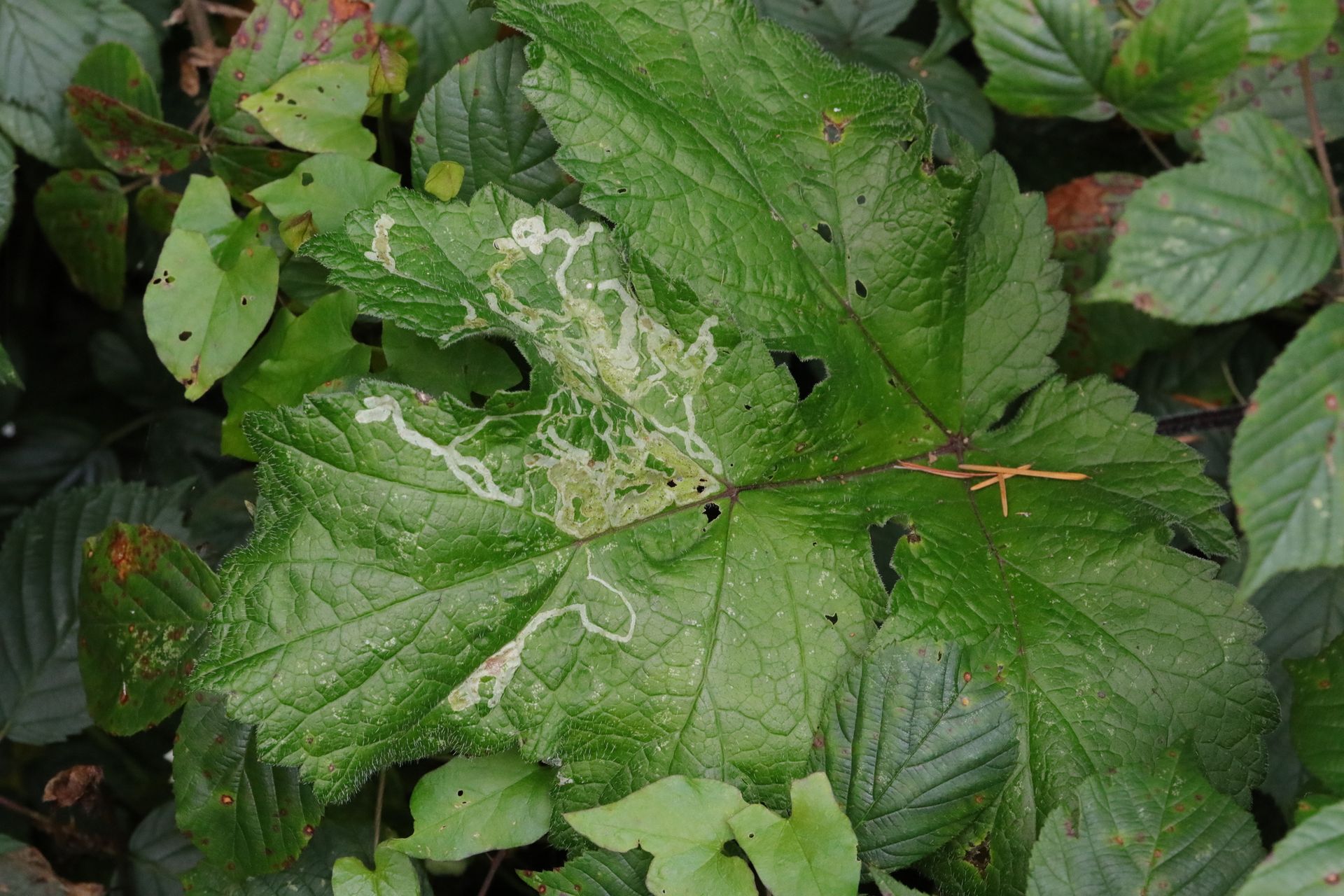
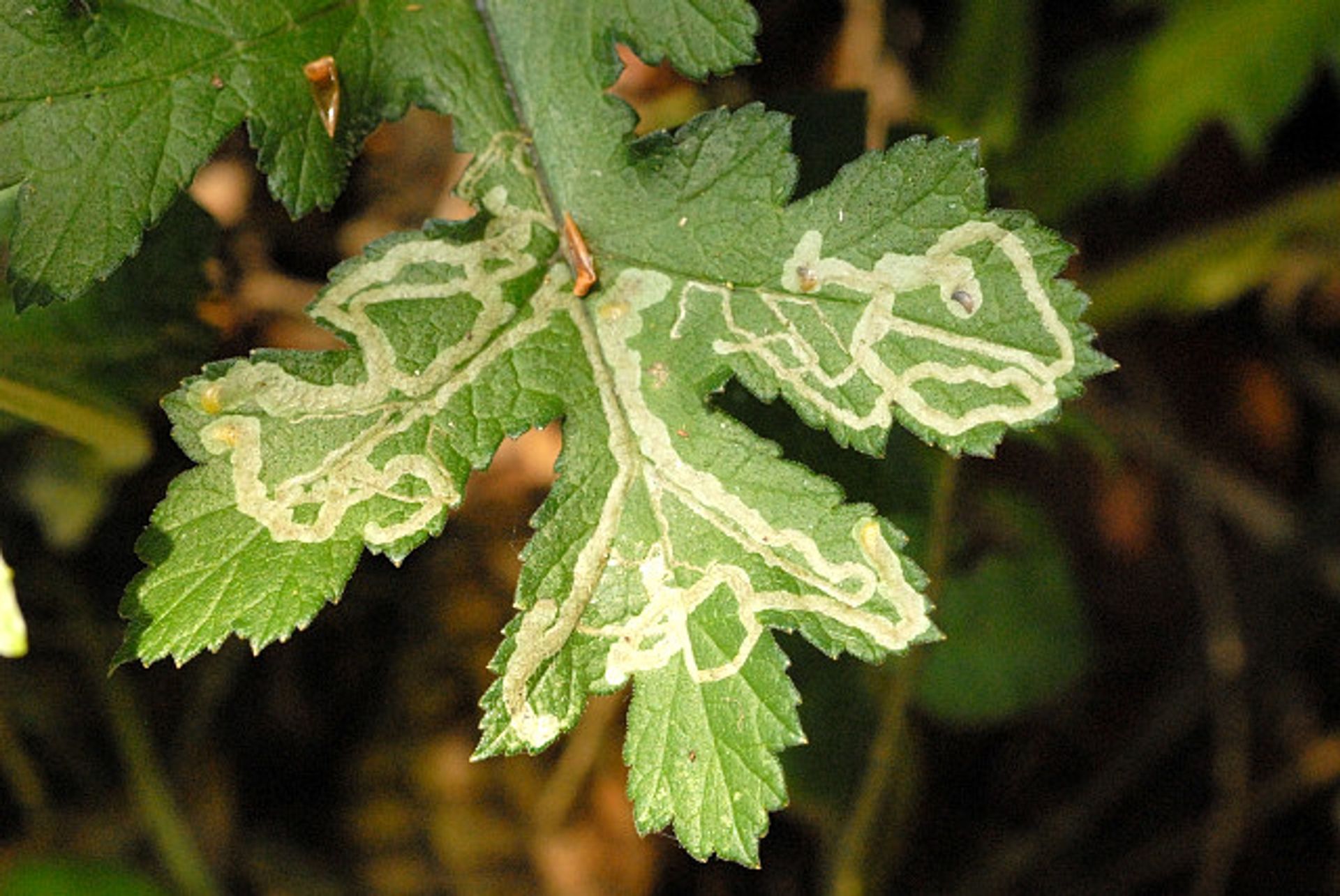
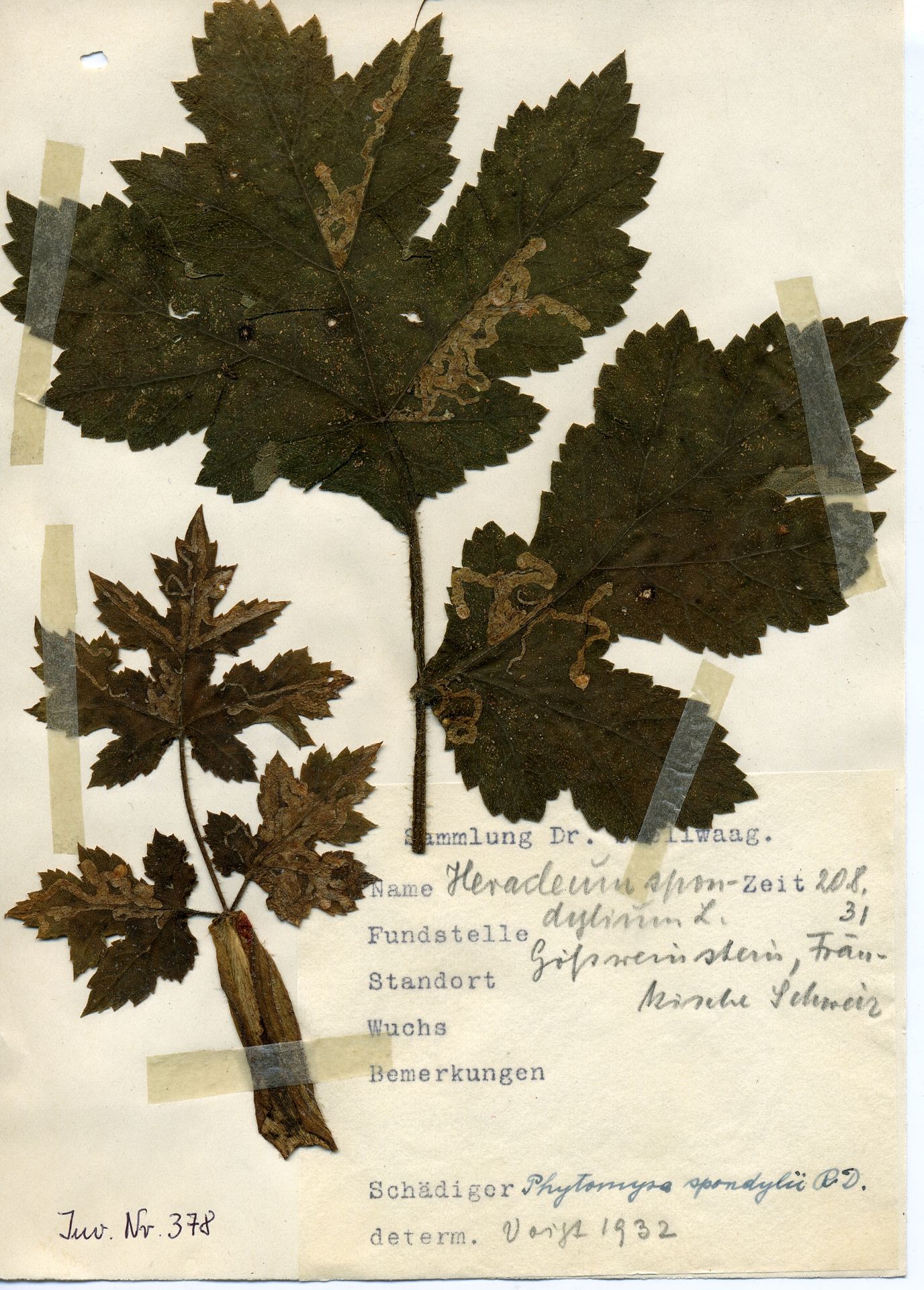
Larvae produce characteristic whitish serpentine leaf mines on Apiaceae . Mines are visible as winding trails on the upper leaf surface. are small black flies resembling houseflies in general form. Distinguished from the native North American holly leafminer Phytomyza ilicicola by host plant association: P. spondylii feeds on Apiaceae (hogweeds, masterworts, wild parsnip), while P. ilicicola is restricted to Ilex opaca (American holly).
Images
Habitat
Associated with plants in the Apiaceae, particularly in areas where Heracleum, Astrantia, or Pastinaca occur.
Distribution
France. Distribution records indicate presence in Norway (NO, PRESENT) per GBIF.
Diet
Larvae feed internally on leaf tissue of Apiaceae . Documented host plants include Heracleum lanatum, Heracleum mantegazzianum, Heracleum sphondylium, Astrantia bieberstedtii, Astrantia carniolica, and Pastinaca sativa. feed on plant sap obtained through punctures made with the ovipositor.
Host Associations
- Heracleum lanatum - plantlarval development; contains furocoumarins
- Heracleum mantegazzianum - plantgiant hogweed
- Heracleum sphondylium - planthogweed
- Astrantia bieberstedtii - plantmasterwort
- Astrantia carniolica - plantred masterwort
- Pastinaca sativa - plantwild parsnip
Life Cycle
Larvae develop inside leaves, creating mines that expand as the larva grows. occurs within the leaf mine; the larva cuts a small exit window in the leaf before pupating to allow . Adult emergence timing is presumably coordinated with plant , though specific details for this are not documented.
Ecological Role
; creates galleries within plant leaves. Specialized biochemical detoxification of furocoumarins (8-methoxypsoralen) via enzymatic breakdown allows exploitation of Apiaceae hosts that are chemically defended against most herbivores.
Similar Taxa
- Phytomyza ilicicolaBoth are Phytomyza leafminers, but P. ilicicola is restricted to American holly (Ilex opaca) in North America and produces similar serpentine mines. Distinguished by plant and geographic range.
Sources and further reading
- BugGuide
- Wikipedia
- GBIF taxonomy match
- iNaturalist taxon
- NCBI Taxonomy
- Catalogue of Life
- The Holly and Ivy - A two part series: This week the holly and the native holly leaf miner, Phytomyza ilicicola — Bug of the Week
- Deck the halls with boughs of holly…and the Native holly leafminer, 'Phytomyza ilicicola', and Holly berry midge, 'Asphondylia ilicicola' — Bug of the Week
- Holly surprise: Native holly leafminer, Phytomyza ilicicola — Bug of the Week
- Holiday miners - Native holly leafminer, Phytomyza ilicicola — Bug of the Week
- Deck the halls with boughs of holly - and maybe some leaves with the native holly leafminer, Phytomyza ilicicola — Bug of the Week
- The Holly and Ivy: A two part series - This week the holly and holly leaf miner - Phytomyza ilicicola — Bug of the Week
- Furocoumarin resistance in the larvae of Phytomyza spondylii (Diptera: Agromyzidae) feeding on Heracleum lanatum is associated with the enzymatic breakdown of 8-methoxypsoralen