
Cerodontha luctuosa
(Meigen, 1830)
Cerodontha luctuosa is a of leaf-miner fly in the Agromyzidae. Larvae create mines within grass blades and the leaves of sedges and rushes. The species was first described by Johann Wilhelm Meigen in 1830. It has been documented in Scandinavia and other parts of Europe.
Pronunciation
How to pronounce Cerodontha luctuosa: /sɛˈroʊdɒnθə lʌkˈtjʊoʊsə/
These audio files are automatically generated. While they are not always 100% accurate, they are a good starting point.
Identification
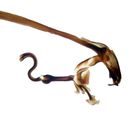
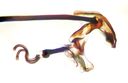
As a member of Cerodontha, this exhibits the typical reduced wing venation characteristic of Agromyzidae. are small flies with a generally dark coloration suggested by the species epithet 'luctuosa' (mourning). Positive identification requires examination of male genitalia or larval mine characteristics.
Images
Habitat
Associated with grassy environments including lawns, meadows, and wetlands where plants (grasses, sedges, and rushes) are present.
Distribution
Recorded from Denmark, Norway, and Sweden. The likely has a broader European distribution but precise records are sparse.
Diet
Larvae feed internally within grass blades and leaves of sedges (Cyperaceae) and rushes (Juncaceae), creating linear or blotch mines. Specific plant are not well documented for this species.
Ecological Role
Larvae function as herbivores within their plants. The mining habit creates internal damage to leaves but typically does not kill host plants. are not known to feed significantly.
Human Relevance
Occasionally attracted to blacklight traps. Not considered an agricultural pest of economic importance.
Similar Taxa
- Cerodontha spp.Other members of the are morphologically similar and require dissection of male genitalia for definitive identification. Many share similar grass-mining larval habits.
- Agromyzidae gen. spp.Other leaf-miner flies in the create similar mines in grasses; larval mine shape and pattern may help distinguish , but identification requires expert examination.
Sources and further reading
- BugGuide
- GBIF taxonomy match
- iNaturalist taxon
- NCBI Taxonomy
- Know Your Dragonflies! | Bug Squad
- Don't You Just Love Those Dragonflies? | Bug Squad
- How Do Insects, Spiders React to a Partial Solar Eclipse? | Bug Squad
- Widow Skimmer Dragonfly: What a Treat to See | Bug Squad
- The Day a Widow Skimmer Came Calling | Bug Squad
- Bug Eric: First Night of Blacklighting