
Ophiomyia lantanae
(Froggatt, 1919)
Lantana Seed Fly
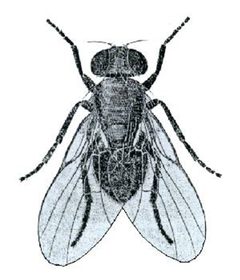
Ophiomyia lantanae is a small fly in the Agromyzidae, native to the Americas from the southern United States to Brazil. It was introduced to Australia in 1914 as a agent for the weed camara. The has since established in multiple countries across several continents. It is commonly known as the Lantana Seed Fly due to its association with its plant.
Pronunciation
How to pronounce Ophiomyia lantanae: /ˌoʊ.fiˈoʊ.mi.ə lænˈtæni/
These audio files are automatically generated. While they are not always 100% accurate, they are a good starting point.
Images
Habitat
Associated with camara plants; occurs in regions where this plant grows, including disturbed , agricultural areas, and natural vegetation.
Distribution
Native range: United States (southern), Mexico, Puerto Rico, Cuba, Honduras, Rica, Panama, Trinidad, Brazil. Introduced range: Australia, Hawaii, India, Kenya, South Africa.
Diet
Larvae feed on flowers and fruits of camara.
Host Associations
- Lantana camara - obligatePrimary plant; larvae develop in flowers and fruits. Introduced as agent specifically for this plant.
Ecological Role
agent for camara, an weed in many regions. Larval feeding on flowers and fruits reduces seed production of the plant.
Human Relevance
Intentionally introduced to Australia in 1914 and subsequently to other regions for biocontrol of camara, a significant agricultural and environmental weed. Part of programs.
Similar Taxa
- Other Ophiomyia species contains numerous leaf-mining and stem-boring ; O. lantanae is distinguished by its specific association with camara flowers and fruits rather than leaf mines.
- Other Agromyzidae on LantanaSeveral agromyzid flies attack ; O. lantanae is specifically associated with reproductive structures (flowers and fruits) rather than vegetative tissues.
More Details
Biocontrol History
One of the earliest intentional introductions of an insect for weed biocontrol, with the Australian introduction in 1914 representing a pioneering effort in . Establishment and efficacy have been documented in subsequent scientific literature.