
Ophiomyiinae
Genus Guides
3Ophiomyiinae is a of small flies within the Agromyzidae, commonly known as leaf-miner flies. Members of this subfamily are characterized by their highly specialized association with monocotyledonous plants, particularly grasses and sedges. The group includes economically significant pests of cereal crops and pasture grasses. Larval development occurs within plant tissues, creating distinctive feeding damage.
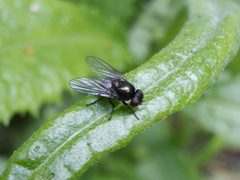
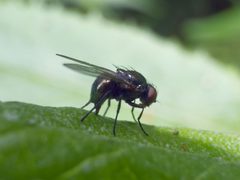
Pronunciation
How to pronounce Ophiomyiinae: /ɒˌfaɪ.oʊˈmaɪ.i.aɪˌniː/
These audio files are automatically generated. While they are not always 100% accurate, they are a good starting point.
Identification
Ophiomyiinae can be distinguished from other Agromyzidae by reduced chaetotaxy (bristle arrangement) on the and , particularly the absence or reduction of the orbital setulae. The subfamily typically exhibits a more slender body form compared to Phytomyzinae. Genitalia , particularly in males, provides definitive separation at the level but requires microscopic examination.
Images
Habitat
Primarily associated with grassland, meadow, and agricultural dominated by Poaceae and Cyperaceae. Larval stages inhabit stems, leaves, and seeds of plants. are found in vegetation near larval host plants.
Distribution
distribution with highest diversity in temperate and tropical regions. Particularly well-represented in the Palearctic, Nearctic, and Afrotropical regions.
Seasonality
activity generally coincides with the growing season of grasses, typically spring through autumn in temperate regions. Multiple per year occur in favorable climates.
Diet
Larvae are endophagous feeders within monocotyledonous plants, consuming parenchyma tissue in leaves, stems, and seeds. Specific associations vary by . feeding habits are poorly documented but likely include nectar and honeydew.
Host Associations
- Poaceae - primary larval grasses including cereal crops and pasture
- Cyperaceae - primary larval sedges
Life Cycle
Complete with , three larval instars, pupa, and stages. Eggs are deposited into plant tissue. Larvae feed internally, creating mines or occupying stems and seeds. occurs within the plant or in soil. Development time varies with temperature and plant.
Behavior
Larvae are sedentary endophytes, confined to plant tissues. are weak fliers with limited capacity, typically remaining near plant stands. Mating and oviposition occur on or near host plants.
Ecological Role
As herbivores, larvae influence plant growth and seed production. Some are significant agricultural pests. They serve as prey for and other natural enemies.
Human Relevance
Similar Taxa
- PhytomyzinaeSister within Agromyzidae; distinguished by more robust body form, presence of orbital setulae, and primary association with dicotyledonous plants rather than monocots
- AgromyzinaeAnother of Agromyzidae; differs in chaetotaxy patterns and typically broader plant range including woody plants