
Cyrtophleba
Rondani, 1856
Species Guides
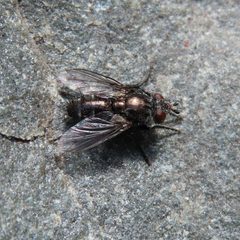
3Cyrtophleba is a of tachinid flies in the Tachinidae, Dexiinae, tribe Voriini. The genus was established by Camillo Rondani in 1856. Tachinid flies in this group are generally , though specific associations for Cyrtophleba remain poorly documented. The genus has been recorded from northern Europe including Denmark, Norway, and Sweden.
Pronunciation
How to pronounce Cyrtophleba: //sɜːrˈtɒflɛbə//
These audio files are automatically generated. While they are not always 100% accurate, they are a good starting point.
Identification
As a -level record, specific diagnostic characters for Cyrtophleba are not well-documented in available sources. -level identification within Voriini generally requires examination of male terminalia and bristle patterns on the and . The genus is distinguished from related voriine genera through subtle differences in wing venation and chaetotaxy, though these characters require taxonomic expertise to assess.
Images
Distribution
Recorded from Denmark (DK), Norway (NO), and Sweden (SE). The appears to have a northern European distribution, though comprehensive surveys may reveal a broader range.
Ecological Role
As a member of Tachinidae, in this likely function as of other insects, contributing to of potential pest species. Specific relationships have not been documented.
Similar Taxa
- VoriaAlso in tribe Voriini; distinguished by differences in abdominal bristle patterns and male genitalia structure
- CylindromyiaSimilar tachinid but belongs to different (Phasiinae); often has more elongate body form and different wing venation
More Details
Taxonomic placement
Cyrtophleba is classified in the tribe Voriini, Dexiinae. This placement was confirmed in recent phylogenetic revisions of Tachinidae, though the has received limited modern taxonomic attention.
Species diversity
The number of described in Cyrtophleba is uncertain; the has been treated as or containing few species in various taxonomic treatments, but a comprehensive modern revision is lacking.