Eumacronychia
Townsend, 1892
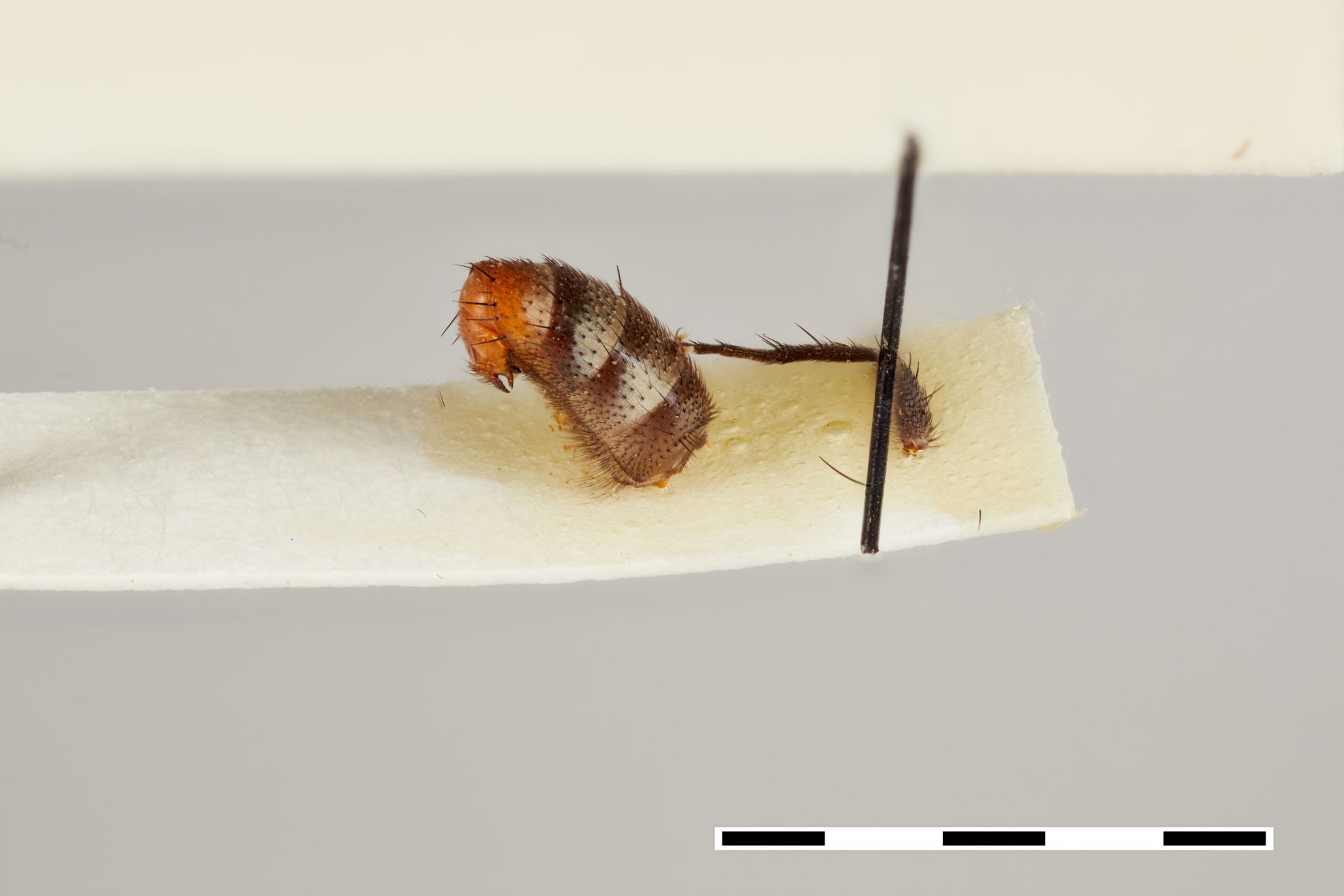
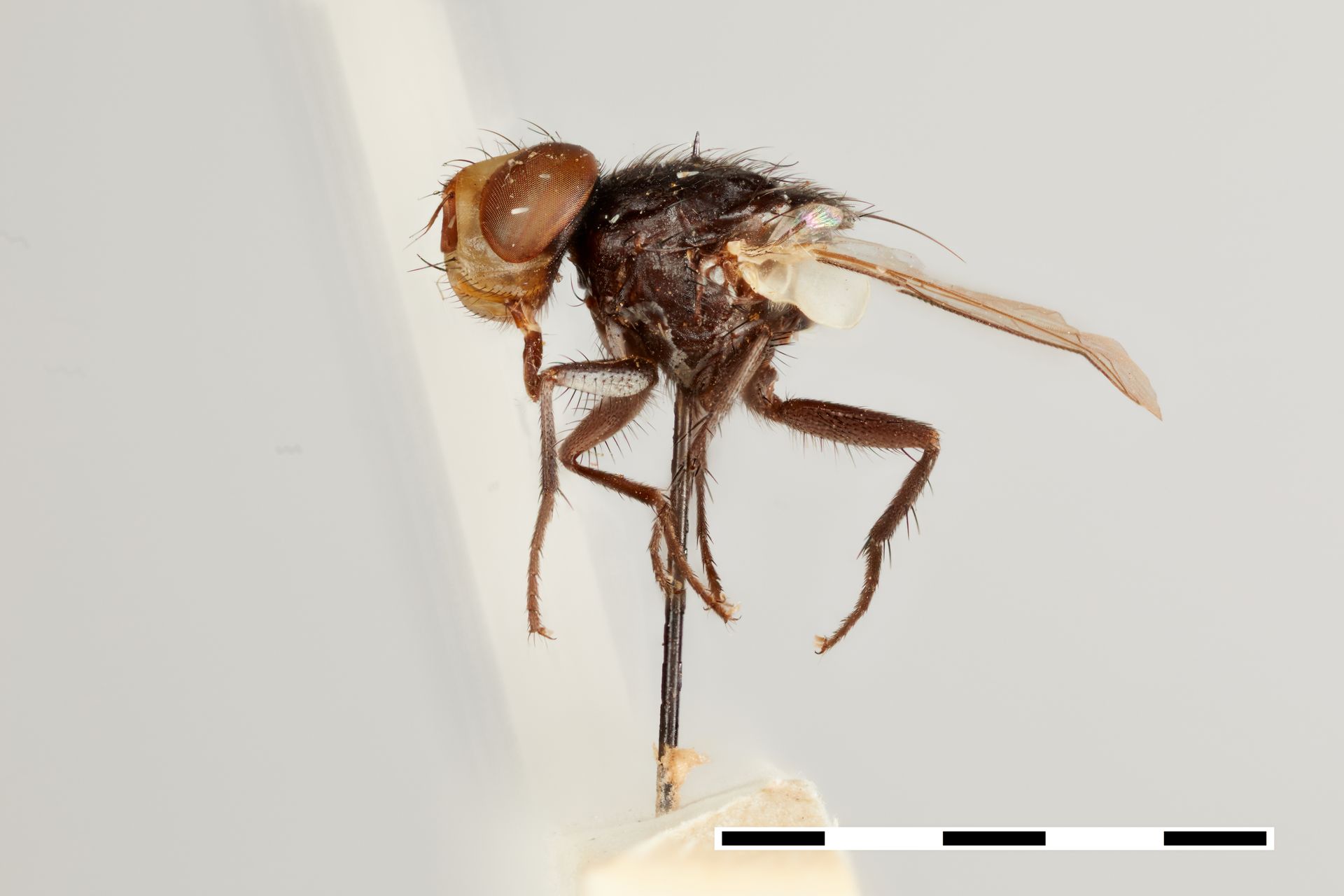
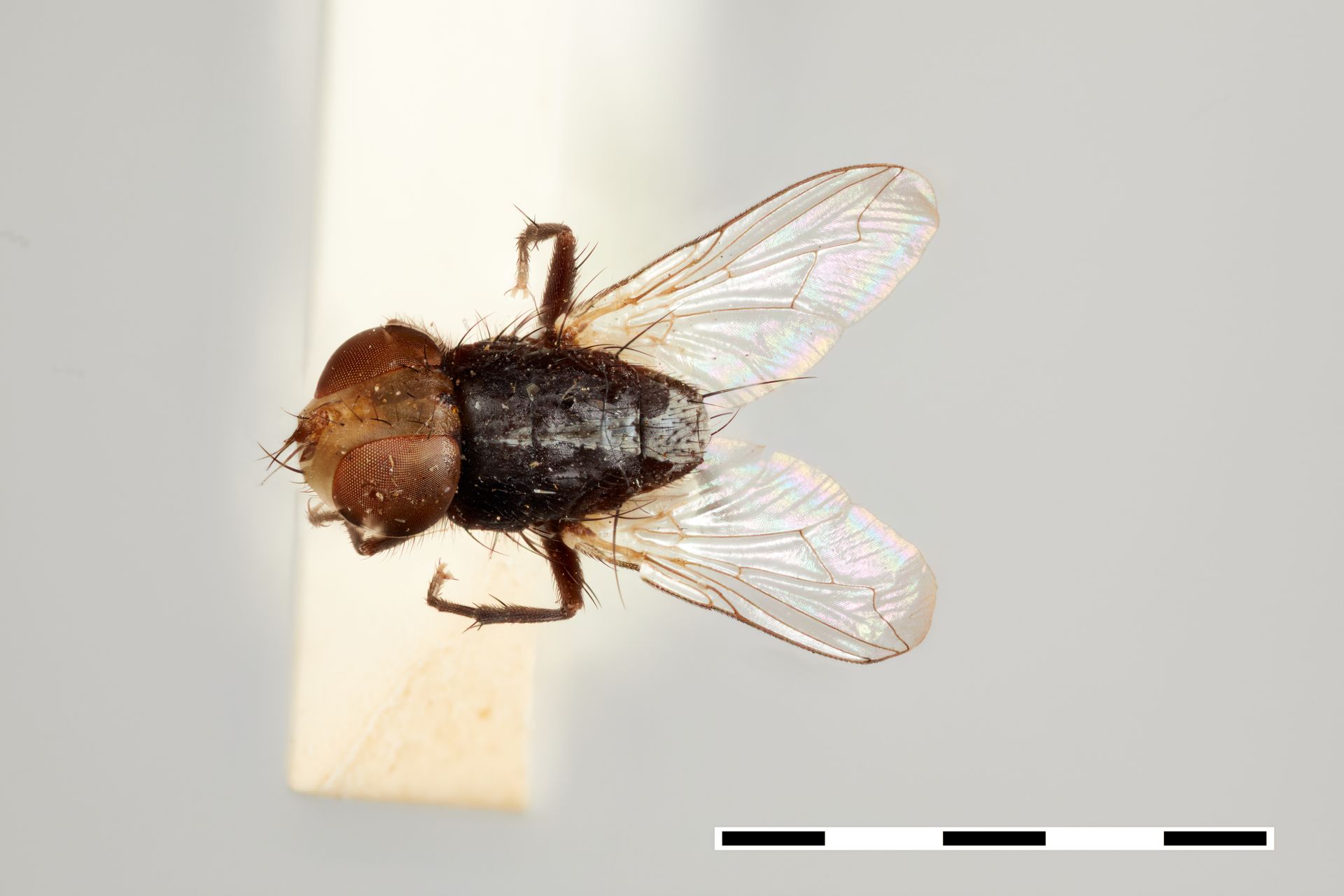
Eumacronychia is a of miltogrammine flesh flies to the New World, comprising 21 concentrated in the southwestern United States and adjacent regions. The genus occupies a basal phylogenetic position within Miltogramminae and retains a necrophagous breeding habit. Species exhibit minimal external but substantial diversity in male terminalia , making species identification dependent on genital examination.
Pronunciation
How to pronounce Eumacronychia: /juːˌmækrəˈnɪkiə/
These audio files are automatically generated. While they are not always 100% accurate, they are a good starting point.
Identification
within Eumacronychia are difficult to distinguish based on external alone; identification requires examination of male terminalia. A comprehensive key to all 21 known species has been published based on genital characters. Females cannot be reliably identified to species without associated males or molecular data.
Images
Appearance
Medium-sized flesh flies with general habitus similar across all ; body typically gray with dark longitudinal thoracic stripes. in external is minimal. Male terminalia show considerable interspecific diversity and serve as primary diagnostic characters.
Habitat
Sandy areas including beaches and dunes; frequented by Hymenoptera. Breeding occurs in vertebrate carrion buried at modest depths in sand.
Distribution
to the New World; maximum diversity centered in the southwestern United States. Range extends from Canada through the western and southern Nearctic to northern Neotropics, with southern limit in Guatemala.
Diet
Necrophagous; larvae feed on decomposing vertebrate and carrion buried in sand. Larvae have been observed to prey upon reptile and weak hatchlings, including sea turtle eggs and hatchlings.
Host Associations
- Sea turtles - / and hatchlings of leatherback, olive ridley, and green turtles preyed upon by E. sternalis; myiasis cases in hatchlings documented
- Sceloporus undulatus - preyed upon by E. nigricornis
- Chlorion laeviventris - unconfirmed Historical association unconfirmed due to lack of voucher specimens
Life Cycle
Gravid females deposit larvae (larviposition) onto sand surfaces above buried carrion; larvae dig down through sand to locate food. Up to 20 larvae may be deposited per in single observation. Larval development occurs within buried carrion at modest depths.
Behavior
move rapidly in over sandy areas frequented by Hymenoptera. Adults feed from plant . Larvae exhibit digging to access buried carrion and facultative predatory behavior on reptile and weakened hatchlings.
Ecological Role
Necrophagous decomposer in sandy coastal and inland dune . Forensic for buried carrion. Facultative on reptile and predator/ of turtle hatchlings via myiasis.
Human Relevance
Forensic importance as for buried carrion; documented breeding in buried pig carcasses in forensic studies. Potential impact on sea turtle conservation through and hatchling .
Similar Taxa
- PhrosinellaHistorical records of Phrosinella sp. breeding in sea turtle are likely misidentifications of Eumacronychia
- EusenotainiaHistorical records of Eusenotainia sp. breeding in sea turtle are likely misidentifications of Eumacronychia
Misconceptions
Historical literature attributing sea turtle to Phrosinella and Eusenotainia has been shown to likely represent misidentifications of Eumacronychia. associations with and Chlorion laeviventris from early literature remain unconfirmed.
More Details
Phylogenetic significance
Eumacronychia occupies a basal position within Miltogramminae, representing an early lineage that has retained the ancestral necrophagous breeding habit.
Taxonomic history
The was revised in 1965 with 9 new described, bringing the total to 21 nominal forms. Species-level remains challenging due to conserved external .
Sources and further reading
- BugGuide
- GBIF taxonomy match
- iNaturalist taxon
- NCBI Taxonomy
- Catalogue of Life
- Review of the Miltogrammid Genus Eumacronychia (Sarcophagidae: Diptera)
- Biology of Eumacronychia Townsend, with a redescription of E. persolla Reinhard, 1965 (Diptera, Sarcophagidae)
- Figure 3 from: Xu W-t, Zhang D, Pape T (2018) Biology of Eumacronychia Townsend, with a redescription of E. persolla Reinhard, 1965 (Diptera, Sarcophagidae). ZooKeys 783: 55-65. https://doi.org/10.3897/zookeys.783.28057
- Figure 2 from: Xu W-t, Zhang D, Pape T (2018) Biology of Eumacronychia Townsend, with a redescription of E. persolla Reinhard, 1965 (Diptera, Sarcophagidae). ZooKeys 783: 55-65. https://doi.org/10.3897/zookeys.783.28057
- Figure 1 from: Xu W-t, Zhang D, Pape T (2018) Biology of Eumacronychia Townsend, with a redescription of E. persolla Reinhard, 1965 (Diptera, Sarcophagidae). ZooKeys 783: 55-65. https://doi.org/10.3897/zookeys.783.28057
- Figure 4 from: Xu W-t, Zhang D, Pape T (2018) Biology of Eumacronychia Townsend, with a redescription of E. persolla Reinhard, 1965 (Diptera, Sarcophagidae). ZooKeys 783: 55-65. https://doi.org/10.3897/zookeys.783.28057