
Drymeia flavinervis
(Malloch, 1915)
Drymeia flavinervis is a of muscid fly described by Malloch in 1915. It belongs to the tribe Azeliini within the Muscidae. The species was originally described under the Pogonomyia before being transferred to Drymeia. Like other members of the genus, it is likely associated with soil and decaying organic matter , though specific ecological details remain poorly documented.
Pronunciation
How to pronounce Drymeia flavinervis: //ˈdrɪ.mi.a ˌflæv.ɪˈnɜːr.vɪs//
These audio files are automatically generated. While they are not always 100% accurate, they are a good starting point.
Identification
Positive identification requires examination of male terminalia and other microscopic characters standard for Muscidae . The yellowish wing implied by the specific epithet may aid in field recognition, but definitive identification relies on genitalic dissection and comparison with type material. Separation from other Drymeia , particularly D. hamata and D. segnis, requires knowledge of the .
Images
Appearance
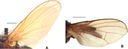
As a member of Muscidae, Drymeia flavinervis possesses the general body plan of muscid flies: a robust , relatively short with in males, and a characteristic wing venation pattern. The specific epithet "flavinervis" (yellow-veined) suggests yellowish coloration of the wing , a trait that may distinguish it from . Detailed morphological descriptions require examination of .
Habitat
Members of the Drymeia are typically found in association with soil , including grasslands, meadows, and disturbed ground. They often occur in areas with accumulations of decaying plant material and organic detritus. Specific microhabitat preferences for D. flavinervis have not been documented.
Distribution
The original description was based on material from the Palearctic region. Published records indicate occurrence in Europe, though precise distribution data are sparse. The has been reported from the United Kingdom and continental Europe, but comprehensive distributional surveys are lacking.
Seasonality
activity period has not been specifically documented for this . Related Drymeia species in temperate regions typically show adult in spring and summer, with peak activity during warmer months.
Ecological Role
As a soil-dwelling muscid, likely contributes to decomposition processes and nutrient cycling in terrestrial . Larval stages probably develop in decaying organic matter or soil, though this has not been confirmed for this .
Similar Taxa
- Drymeia hamataCongeneric with overlapping distribution; distinguished by details of male terminalia structure and possibly wing coloration
- Drymeia segnisAnother Palearctic Drymeia ; separation requires examination of genitalic characters and subtle differences in thoracic chaetotaxy
More Details
Taxonomic History
Originally described as Pogonomyia flavinervis Malloch, 1915, this was later transferred to the Drymeia. The genus Pogonomyia has been synonymized or restricted in modern classifications, with most species now placed in Drymeia.
Data Deficiency
This exemplifies the many poorly known Diptera where basic biological information remains unstudied. No published observations of living specimens, larval , or ecological interactions were located during preparation of this record.