
Chirosia
Rondani, 1856
Species Guides
6- Chirosia betuleti(Knotting Gall)
- Chirosia filicis(root-maggot fly)
- Chirosia flavipennis(root-maggot fly)
- Chirosia gleniensis
- Chirosia pusillans
- Chirosia spinosissima
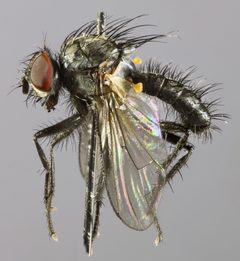
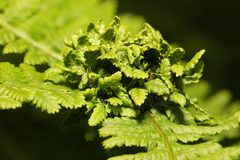
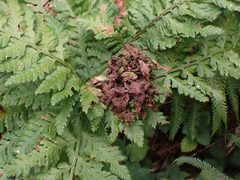
Chirosia is a of root-maggot flies in the Anthomyiidae, established by Camillo Rondani in 1856. The genus contains over fifty described . These flies are commonly known as root-maggot flies due to the larval habit of developing in plant roots or stems.
Pronunciation
How to pronounce Chirosia: //kaɪˈroʊziə//
These audio files are automatically generated. While they are not always 100% accurate, they are a good starting point.
Identification
As a -level entry, specific diagnostic features for Chirosia are not well-documented in available sources. -level identification requires examination of male genitalia and other fine morphological characters typical of Anthomyiidae. The genus belongs to a whose members are generally small to medium-sized flies with dull coloration, often gray or black, lacking the metallic sheen seen in many related families.
Images
Distribution
Records indicate presence in northern Europe (Denmark, Norway, Sweden) and North America (Vermont, United States). The likely has a broader Holarctic distribution given its taxonomic affinities, but specific range documentation is incomplete.
Life Cycle
Larvae are root-maggots, developing within plant roots or stems. This is the primary known trait for the , though specific plants and developmental details vary by and remain incompletely documented.
Ecological Role
Larvae function as herbivores or stem/ root borers in their plants. Their ecological impact on plant has not been quantified.
Human Relevance
Some may be minor agricultural pests due to larval feeding on crop roots, though Chirosia is less economically significant than related anthomyiid such as Delia.
Similar Taxa
- DeliaBoth are anthomyiid containing root-maggot flies; Delia contains more significant agricultural pests and is generally better studied.
- PegomyaAnother anthomyiid with root-feeding larvae; morphological separation requires detailed examination.
More Details
Taxonomic history
The was described by Italian entomologist Camillo Rondani in 1856. It has remained within Anthomyiidae through multiple -level revisions, though -level continues to be refined.