
Scatellini
Genus Guides
5- Coenia
- Limnellia
- Paracoenia(shore flies)
- Scatella(shore flies)
- Scatophila(shore fly)
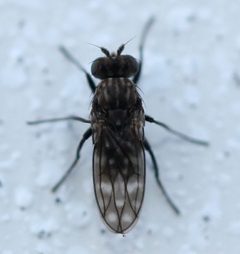
Scatellini is a tribe of small shore flies in the Ephydridae. Members are characterized by their association with aquatic or semi-aquatic , often found near the margins of water bodies. The tribe includes the Scatella, which is the most speciose and well-known group within this lineage. Scatellini flies are generally small, dark-colored, and possess distinctive wing patterns that aid in identification.
Pronunciation
How to pronounce Scatellini: /skætɛˈlini/
These audio files are automatically generated. While they are not always 100% accurate, they are a good starting point.
Identification
Distinguished from other Ephydridae tribes by the combination of: wing with distinct dark markings (spots or bands), small body size, and preference for shorelines. Differs from tribe Ephydrini by generally smaller size and more pronounced wing patterning. Separation from tribe Parydini requires examination of male genitalia and chaetotaxy.
Images
Appearance
Small to minute flies, usually 2–5 mm in length. Body typically dark gray to black, often with metallic luster. Wings usually with distinct dark and clear banding or spotting patterns; this wing pattern is a key diagnostic feature. short with bearing rays. Legs relatively short and stout.
Habitat
Margins of freshwater and brackish water bodies including ponds, lakes, streams, rivers, and seashores. Often abundant in splash zones, wet rocks, and -covered substrates. Some tolerate saline or alkaline conditions.
Distribution
Worldwide distribution with greatest diversity in temperate and tropical regions. Well-represented in North America, Europe, Asia, Australia, and coastal regions globally.
Seasonality
active primarily during warmer months; in temperate regions most abundant from late spring through early autumn. Some with extended or year-round activity in subtropical and tropical climates.
Diet
Larvae feed on , diatoms, and organic detritus in wet substrates. may feed on surface films and microorganisms.
Life Cycle
Complete with , larva, pupa, and stages. Larvae aquatic or semi-aquatic, living in thin water films or saturated substrates. occurs in the same . Development time varies with temperature and .
Behavior
often observed in large along shorelines, running actively over wet surfaces. Strong affinity for water margins; readily colonize temporary or ephemeral aquatic . Weak fliers, typically remaining close to larval habitat.
Ecological Role
Primary consumers in shoreline ; larvae process algal and detritus. Serve as prey for aquatic and terrestrial including birds, spiders, and other insects. Indicators of water quality and conditions in some systems.
Human Relevance
Generally of minor direct economic importance. Some may be nuisance pests in coastal recreational areas due to . Occasionally studied as bioindicators of wetland health.
Similar Taxa
- EphydriniSimilar small shore flies but generally larger with less distinct wing patterning and different chaetotaxy
- ParydiniOverlap in preference; distinguished by genitalic characters and wing venation details
More Details
Taxonomic note
Scatellini is sometimes treated as subtribe Scatellina within tribe Ephydrini in older classifications; current molecular and morphological evidence supports tribal status.