
Discomyzinae
Genus Guides
9- Ceropsilopa
- Clanoneurum(shore flies)
- Cressonomyia
- Diasemocera
- Discomyza
- Leptopsilopa(shore flies)
- Psilopa
- Rhysophora
- Trimerina
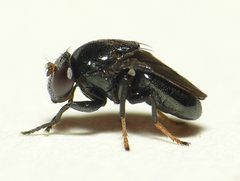
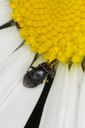
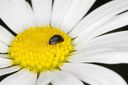
Discomyzinae is a of shore flies ( Ephydridae) containing approximately 15 divided between two tribes: Discomyzini and Psilopini. Members are small to minute true flies associated with aquatic or semi-aquatic . The subfamily is well-represented in global collections with over 2,200 documented observations, though many remain poorly studied.
Pronunciation
How to pronounce Discomyzinae: /ˌdɪskoʊˈmaɪzɪniː/
These audio files are automatically generated. While they are not always 100% accurate, they are a good starting point.
Identification
Discomyzinae can be distinguished from other ephydrid by combinations of characters including wing venation patterns and genitalic structures, though specific diagnostic features vary between the constituent tribes Discomyzini and Psilopini. Tribe Discomyzini generally exhibits more robust body forms, while Psilopini often show reduced chaetotaxy. Definitive identification to level requires examination of male terminalia and is beyond field identification for most .
Images
Habitat
within Discomyzinae inhabit aquatic and semi-aquatic environments including shorelines, salt marshes, alkaline pools, and intertidal zones. Many show specific preferences: Helaeomyia is associated with marine and rocky coastlines, while Psilopa species frequent various saline and freshwater margins.
Distribution
Discomyzinae has a worldwide distribution with recorded across multiple biogeographic regions. The is present in North America, Europe, Asia, Africa, and Australia, with individual genera showing varying regional and patterns.
Ecological Role
As members of Ephydridae, Discomyzinae contribute to nutrient cycling in aquatic edge . Larvae of some are known to inhabit decaying organic matter and algal mats, processing detrital material. flies serve as prey for shoreline-associated including birds and predatory arthropods.
Similar Taxa
- EphydrinaeAnother of Ephydridae; distinguished by different wing venation patterns and larval preferences, with Ephydrinae more commonly associated with thermal springs and petroleum pools.
- GymnomyzinaeEphydrid with overlapping preferences; separated by chaetotaxy differences and larval feeding habits, with Gymnomyzinae often showing more reduced body pilosity.
More Details
Tribal Classification
Discomyzinae is divided into two tribes: Discomyzini (Acloque, 1897) containing Actocetor, Discomyza, and Clasiopella; and Psilopini (Cresson, 1942) containing Achaetorisa, Ceropsilopa, Clanoneurum, Cnestrum, Helaeomyia, Leptopsilopa, Psilopa, Risa, Rhynchopsilopa, Scoliocephalus, and Trimerina. This tribal structure reflects historical groupings based on , though phylogenetic relationships within the remain incompletely resolved.