
Psilopa
Fallén, 1823
Species Guides
4Psilopa is a of shore flies in the Ephydridae, first described by Fallén in 1823. The genus contains approximately 70 described distributed across multiple continents. A historically notable species, formerly classified as Psilopa petrolei and known as the "petroleum fly" for its unique ability to develop in crude oil pools, has been reclassified to the genus Helaeomyia.
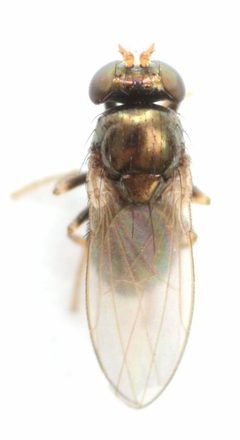
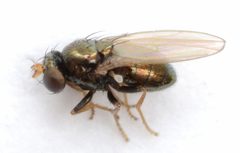
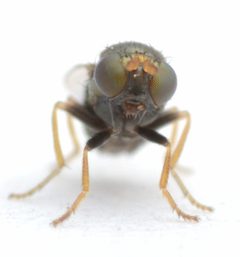
Pronunciation
How to pronounce Psilopa: //ˈsaɪloʊpə//
These audio files are automatically generated. While they are not always 100% accurate, they are a good starting point.
Images
Habitat
Shore flies in this are typically associated with aquatic or semi-aquatic environments, including coastal margins, wetlands, and other moist characteristic of the Ephydridae. Specific microhabitat preferences vary among .
Distribution
of Psilopa have been recorded from Europe (including Denmark, Norway, and Sweden), Africa, Asia, and North America. The shows a broad geographic distribution with multiple species described from regions including Senegal, Angola, Singapore, China, and various European localities.
Similar Taxa
- HelaeomyiaFormerly confused with Psilopa due to the reclassification of the petroleum fly; Helaeomyia contains the that develops in crude oil, a trait not found in remaining Psilopa species
Misconceptions
The petroleum fly, often cited as a remarkable example of to extreme environments, was historically placed in Psilopa as P. petrolei but is now classified in Helaeomyia. References to Psilopa developing in petroleum are outdated and refer to the reclassified .
More Details
Taxonomic note
The reclassification of the petroleum fly from Psilopa to Helaeomyia removed the most distinctive ecological trait formerly associated with this . Current Psilopa lack confirmed records of petroleum-associated development.