
Gymnomyzinae
shore flies
Genus Guides
9- Allotrichoma
- Athyroglossa
- Diclasiopa
- Discocerina
- Gastrops(shore flies)
- Hecamede
- Lipochaeta(nehe)
- Mosillus
- Ochthera(Mantid Shoreflies)
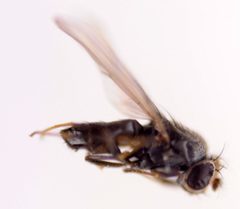
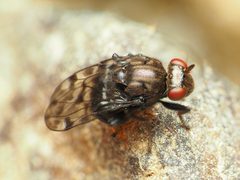
Gymnomyzinae is a of shore flies within the Ephydridae. The subfamily comprises approximately seven and nine described . Members are classified into five tribes: Discocerinini, Gastropini, Gymnomyzini, Hecamedini, and Lipochaetini, plus the unplaced tribe Ochtherini. The genus Ochthera, with approximately 37 described species, is the most species-rich and well-known group within this subfamily.
Pronunciation
How to pronounce Gymnomyzinae: //ˌdʒɪmnəʊˈmaɪzaɪniː//
These audio files are automatically generated. While they are not always 100% accurate, they are a good starting point.
Identification
Identification to level requires examination of morphological characters including chaetotaxy and genitalic structures. The tribe Ochtherini ( Ochthera) is distinguished by forelegs adapted for . Tribe Hecamedini contains minute with reduced wing venation. Tribe Gymnomyzini includes genera with characteristic facial and genal setation patterns. Definitive identification requires reference to specialized taxonomic literature and dissection of male terminalia.
Images
Habitat
Associated with aquatic and semi-aquatic environments typical of shore flies. Larvae develop in moist substrates including mats, decaying vegetation, and shallow water margins. frequent shorelines of lakes, ponds, streams, and marine intertidal zones.
Distribution
Diet
Larval feeding habits vary by tribe and . Ochthera larvae are , feeding on other insect larvae in aquatic . Larvae of Hecamedini and Discocerinini are algivorous or detritivorous. feeding habits are poorly documented but likely include microbial films and nectar.
Life Cycle
Complete with , three larval instars, pupa, and stages. Larvae are aquatic or semi-aquatic. occurs within the larval substrate or in drier areas adjacent to water. Developmental timing varies with and climate; multiple per year likely in temperate regions.
Behavior
Ecological Role
Ochthera function as in aquatic , potentially regulating of other dipteran larvae. Non- members contribute to nutrient cycling as algivores and . All life stages serve as prey for larger aquatic and terrestrial predators.
Human Relevance
Ochthera have been investigated as agents for pestiferous (Chironomidae and Ceratopogonidae). No species are known to be of medical or veterinary importance. Some members are common in natural wetlands and may serve as indicators of water quality.
Similar Taxa
- EphydrinaeAnother of Ephydridae; distinguished by different chaetotaxy patterns and larval preferences, with many in more saline or polluted waters
- PsilopinaeEphydrid with reduced wing venation and distinct male genitalic structures; often associated with thermal springs and unusual aquatic
- HydrelliinaeEphydrid containing leaf-mining and stem-boring with markedly different larval morphologies and plant-associated
More Details
Tribal classification
The tribal classification of Gymnomyzinae remains under study. The placement of Ochtherini has been particularly contentious, with some authors treating it as a separate . Recent molecular and morphological studies support its inclusion within Gymnomyzinae.
Taxonomic history
The has undergone extensive revision, particularly by Wayne Mathis and colleagues. Many were transferred between tribes or newly described in the late 20th and early 21st centuries. The genus-level diversity is likely underestimated, particularly in tropical regions.