
Hilara lutea
Loew, 1863
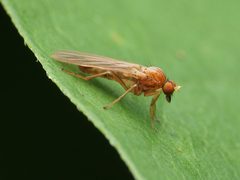
Hilara lutea is a of dance fly in the Empididae, described by Loew in 1863. As a member of the Hilara, it belongs to a diverse group of predatory flies known for their distinctive courtship where males present to females. The species epithet 'lutea' (Latin for 'yellow' or 'golden-yellow') likely refers to coloration. Empidid flies are generally small to medium-sized predatory insects found in diverse , with larvae typically developing in soil, decaying organic matter, or aquatic environments.
Pronunciation
How to pronounce Hilara lutea: /hɪˈlɑːrə ˈluːtiə/
These audio files are automatically generated. While they are not always 100% accurate, they are a good starting point.
Images
Sources and further reading
- BugGuide
- GBIF taxonomy match
- iNaturalist taxon
- Catalogue of Life
- Lewis Ocean Bay Heritage Preserve & Wildlife Management Area | Beetles In The Bush
- A cicada that snaps, crackles, and pops! | Beetles In The Bush
- Pedantic Sunday: Blister beetles don’t suck | Beetles In The Bush
- Heliconiidae | Beetles In The Bush