
Plagioneurinae
Genus Guides
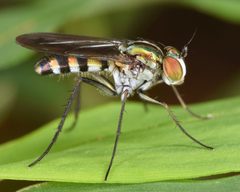
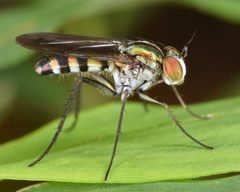
1Plagioneurinae is a of long-legged flies within Dolichopodidae, a diverse of small to medium-sized predatory flies. The subfamily was established by Yang and Zhu in 2007. Members share characteristics with other dolichopodids but are distinguished by particular morphological features of the male genitalia and wing venation. The group is relatively poorly studied compared to other dolichopodid subfamilies, with limited -level documentation.
Pronunciation
How to pronounce Plagioneurinae: //ˌplædʒi.oʊˈnjʊərɪni//
These audio files are automatically generated. While they are not always 100% accurate, they are a good starting point.
Identification
Distinguished from other Dolichopodidae primarily by male genitalia structure and specific wing venation patterns. The hypopygium (male terminalia) exhibits characteristic asymmetry and bristle arrangements that separate it from Diaphorinae and other subfamilies. Wing dm-m (the discal-medial cell) configuration differs from that of Sympycninae and Achalcinae. Identification to subfamily level requires microscopic examination of cleared specimens.
Images
Distribution
Documented from the Palaearctic and Oriental regions, with records from China and adjacent areas. The precise range remains poorly defined due to limited taxonomic study and potential confusion with related in historical collections.
Ecological Role
As part of Dolichopodidae, members are presumed predatory on small arthropods, contributing to regulation of of mites, aphids, and other minute in their .
Similar Taxa
- DiaphorinaeOverlaps in general body plan and size; distinguished by symmetrical male hypopygium and different wing venation, particularly the shape and position of crossvein dm-cu
- SympycninaeSimilar slender build and long legs; separated by wing structure and details of the postpronotal bristles
- AchalcinaeShares predatory habits and general ; differs in male genitalia configuration and presence of specific bristle patterns on the fore
More Details
Taxonomic history
The was erected relatively recently (Yang & Zhu, 2007) based on phylogenetic analysis of Chinese Dolichopodidae. Its circumscription and relationship to other subfamilies, particularly the historically fluid 'Diaphorinae' group, remain active areas of research. Some authorities have questioned whether Plagioneurinae represents a distinct lineage or a specialized derivative within a broader Diaphorinae sensu lato.