
Anopheles earlei
Vargas, 1943
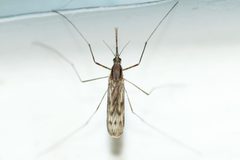
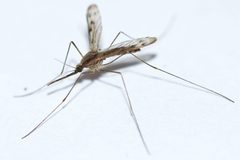
Anopheles earlei is a small mosquito distributed throughout North America. Its larvae develop in cold, clear water in ponds and other small water bodies containing vegetation. feed on vertebrate blood including cattle, white-tailed deer, humans, snowshoe hares, and dogs. The species is among the less abundant Anopheles species in surveyed regions of the northern United States.
Pronunciation
How to pronounce Anopheles earlei: //əˈnɒfɪliːz ˈɜːrli//
These audio files are automatically generated. While they are not always 100% accurate, they are a good starting point.
Identification
Anopheles earlei is a small mosquito. Specific diagnostic features distinguishing it from other North American Anopheles are not documented in available sources. It is among the less abundant Anopheles species in Iowa, where trapping with CDC and New Jersey light traps captured far fewer individuals than Anopheles punctipennis and Anopheles quadrimaculatus.
Images
Habitat
Larvae inhabit cold, clear water in ponds and other small bodies of water containing plant life or vegetation.
Distribution
North America. Documented in southwestern Manitoba, Canada, and in Iowa, United States. Vermont distribution records exist in GBIF.
Diet
take bloodmeals from vertebrate . Documented hosts include cattle, white-tailed deer, humans, snowshoe hares, and dogs based on bloodmeal analysis in southwestern Manitoba.
Host Associations
- Cattle - blood identified through bloodmeal analysis
- White-tailed deer - blood identified through bloodmeal analysis
- Humans - blood identified through bloodmeal analysis
- Snowshoe hares - blood identified through bloodmeal analysis
- Dogs - blood identified through bloodmeal analysis
Life Cycle
Larval stage occurs in aquatic environments. Specific details on , pupal, and longevity not documented.
Human Relevance
Potential of if infected. All Anopheles collected in Iowa except Anopheles earlei have been documented as vectors of Plasmodium parasites, suggesting lower or unconfirmed vector competence for this species. Documented to feed on humans in southwestern Manitoba.
Similar Taxa
- Anopheles punctipennisBoth occur in North America and share woodland associations; Anopheles punctipennis is far more abundant in Iowa surveys and is a documented
- Anopheles quadrimaculatusBoth occur in North America; Anopheles quadrimaculatus is the most abundant Anopheles in Iowa and is a documented , while Anopheles earlei is among the least abundant
- Anopheles barberiBoth are among the less abundant Anopheles in Iowa surveys with limited trapping success using standard methods
Sources and further reading
- BugGuide
- Wikipedia
- GBIF taxonomy match
- iNaturalist taxon
- NCBI Taxonomy
- Catalogue of Life
- Anthony Cornel Knows Mosquitoes | Bug Squad
- How One State's Mosquito Data Could Reduce Risk of Malaria Returning to U.S.
- Anopheles Mosquitoes as Vectors of Malaria in East Africa: Bed Nets and Beyond
- Cannibalism in Mosquito Larvae Confounds Egg Counts
- The Sweetest Snack: Research Details Mosquitoes' Nectar Preferences
- Inducing Mosquitoes to Lay Eggs Aids in Insecticide Resistance Testing
- Hosts of Anopheles earlei Vargas (Diptera: Culicidae) in Southwestern Manitoba