
Psectrotanypus dyari
(Coquillett, 1902)
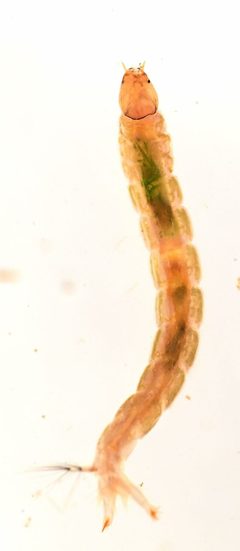
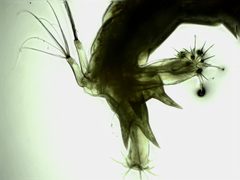
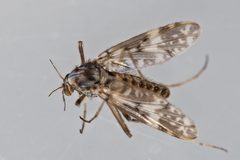
Psectrotanypus dyari is a of non-biting midge in the Chironomidae, Tanypodinae. The species was originally described as Tanypus dyari by Coquillett in 1902. Like other chironomids, it is frequently observed at artificial lights at night and is often mistaken for mosquitoes. The larvae are aquatic, typical of the family.
Pronunciation
How to pronounce Psectrotanypus dyari: //pˌsɛktrəˈtænɪpəs ˈdaɪəri//
These audio files are automatically generated. While they are not always 100% accurate, they are a good starting point.
Identification
can be distinguished from biting mosquitoes ( Culicidae) by the absence of ; chironomids have reduced, non-functional mouthparts and do not bite. Males have conspicuously with long, feathery branches, while females have shorter, less plumose antennae. Within the Psectrotanypus, -level identification requires examination of male genitalia and larval mouthpart structures. The genus is characterized by features of the larval and .
Images
Habitat
Aquatic larval ; frequently found near water sources. The has been documented flying to artificial lights at night, sometimes far from water.
Distribution
Documented observations exist across North America, including the eastern United States and Canada. Specific range boundaries are not well documented in available sources.
Seasonality
have been observed in early spring (March) in temperate regions, with activity likely extending through warmer months based on observations of and -level patterns.
Diet
do not feed; mouthparts are reduced and non-functional. Larvae are predatory, feeding on other aquatic .
Life Cycle
Complete with , larval, pupal, and stages. Larvae are aquatic and predatory. occurs in water; adults emerge to disperse and mate. Males form swarms for mating.
Behavior
are attracted to artificial light at night, a that leads to disorientation and spiraling toward light sources. Males form mating swarms, typically near larval .
Ecological Role
Larvae function as in aquatic , consuming other . serve as food for aerial predators including birds, bats, and predatory insects. The contributes to nutrient cycling between aquatic and terrestrial .
Human Relevance
are frequently mistaken for mosquitoes, causing unnecessary concern. They are harmless to humans, lacking functional mouthparts and not biting. Their attraction to lights makes them common incidental observations at porch lights and blacklight setups.
Similar Taxa
- Culicidae (mosquitoes)Similar size and general appearance; distinguished by presence of piercing in female mosquitoes and absence of in mosquito females.
- Ceratopogonidae (biting midges)Similar small size and attraction to lights; distinguished by shorter, less and, in females, presence of biting mouthparts.
- Other Psectrotanypus speciesRequire examination of male genitalia and larval chaetotaxy for definitive separation; field identification to is generally not reliable.
Misconceptions
Frequently mistaken for biting mosquitoes due to similar appearance and swarming near humans. Unlike mosquitoes, P. dyari and other chironomids cannot bite and do not transmit .
More Details
Taxonomic history
Originally described by Daniel William Coquillett in 1902 as Tanypus dyari, later transferred to Psectrotanypus. The genus name refers to the comb-like structures on the larval .
Observation data
iNaturalist records indicate over 1,100 observations, suggesting the is regularly encountered and documented by citizen scientists, particularly at light traps.