Alotanypus venustus
(Coquillett, 1902)
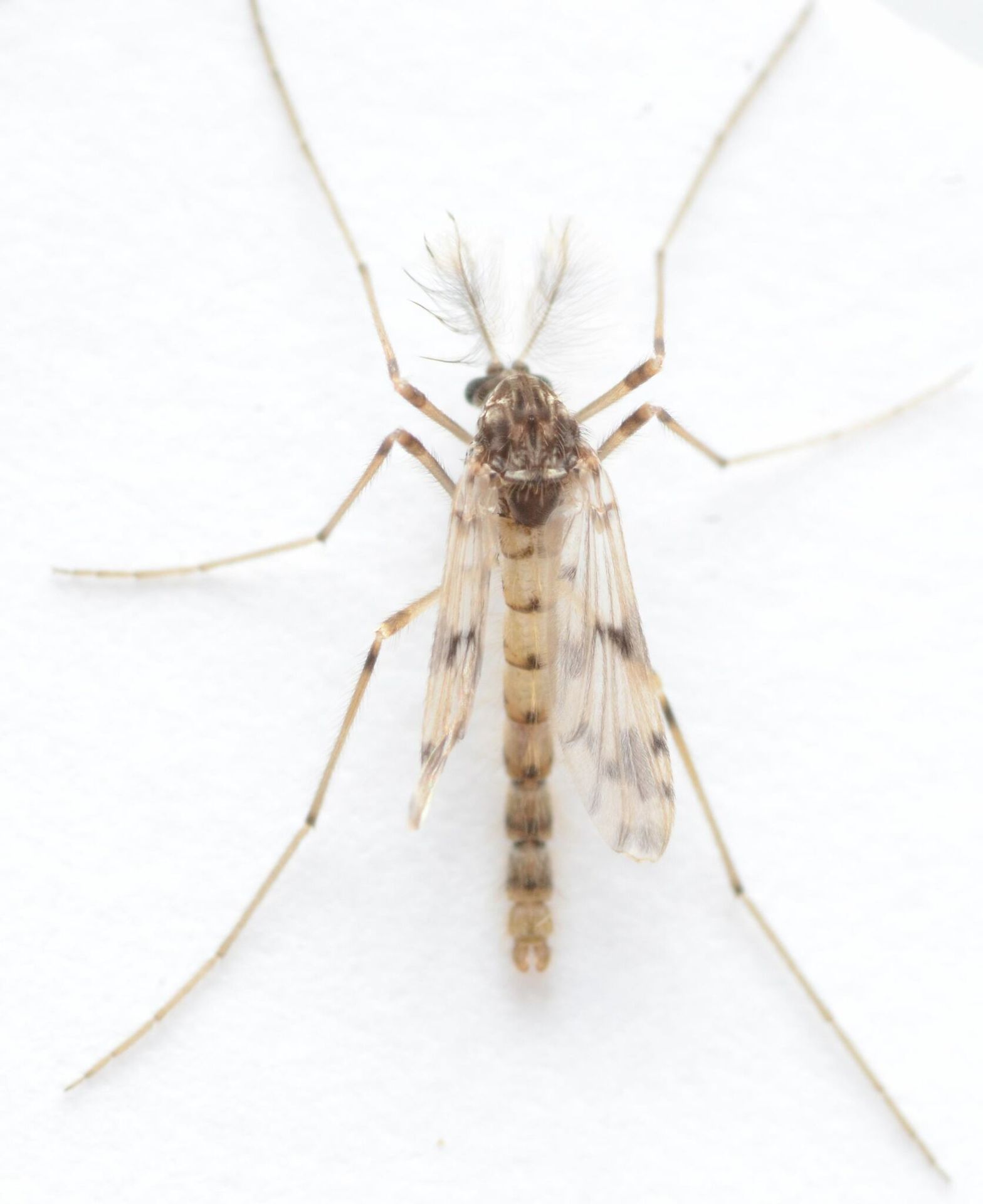
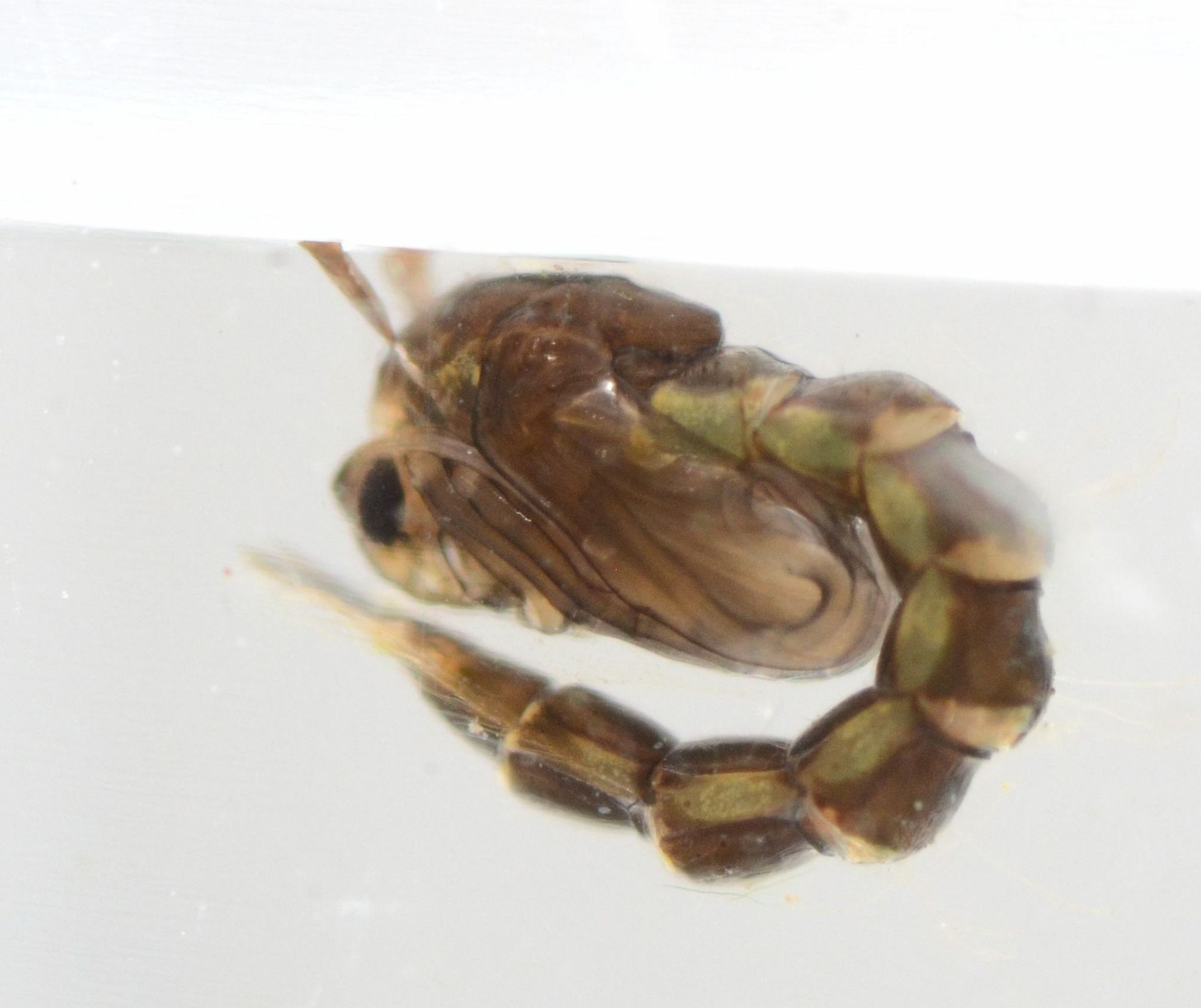
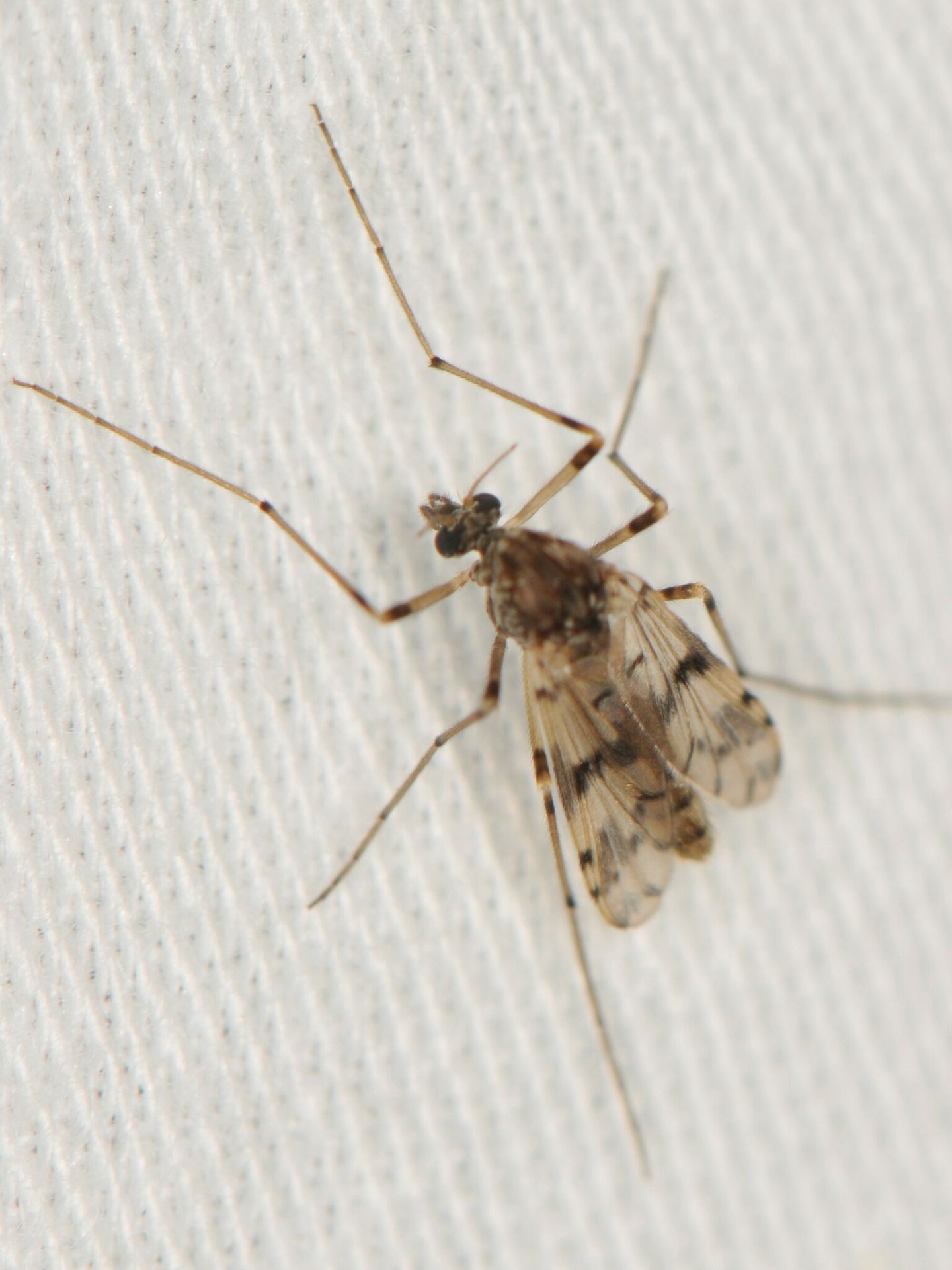
Alotanypus venustus is a of non-biting midge in the Chironomidae, Tanypodinae. It was originally described as Tanypus venustus by Coquillett in 1902 and later transferred to the Alotanypus. The species is part of the tribe Pentaneurini, a group of predatory whose larvae inhabit aquatic environments. As a member of Chironomidae, it is distinguished from biting midges (Ceratopogonidae) such as Culicoides species, with which it shares no close relationship despite superficial similarities in usage.
Pronunciation
How to pronounce Alotanypus venustus: /ˌæloʊˈtænɨpʊs vəˈnʌstəs/
These audio files are automatically generated. While they are not always 100% accurate, they are a good starting point.
Identification
Alotanypus venustus can be distinguished from biting midges in the Culicoides ( Ceratopogonidae) by its placement in Chironomidae; lack the piercing mouthparts characteristic of blood-feeding Ceratopogonidae. Within Tanypodinae, Alotanypus are recognized by features of the adult male genitalia and larval mouthpart . The genus Alotanypus is distinguished from related tanypodine genera by specific characters of the hypopygium and pupal respiratory organs. Accurate identification to species level requires examination of microscopic characters and reference to taxonomic revisions of the genus.
Images
Habitat
Larvae of Alotanypus venustus inhabit aquatic environments, typical for the Tanypodinae. Pentaneurini larvae, including those of Alotanypus, are generally found in lentic (still water) such as ponds, lakes, and marshes, often in the benthic zone or among submerged vegetation. Specific microhabitat preferences for this have not been documented in detail.
Diet
Larvae of Alotanypus venustus are predatory, feeding on other aquatic . This feeding strategy is characteristic of the tribe Pentaneurini, whose members are active rather than or filter-feeders like many other larvae. do not feed; their mouthparts are reduced and non-functional.
Life Cycle
Like other Chironomidae, Alotanypus venustus has a holometabolous with four stages: , larva, pupa, and . Larvae are aquatic and undergo multiple instars before pupating. The pupal stage is also aquatic, with adults emerging at the water surface. Specific details of development rate, voltinism, or strategy for this have not been documented.
Behavior
are known to form mating swarms, a characteristic of many Chironomidae. Swarming typically occurs at dusk near bodies of water, with males forming aerial to attract females. Larvae are active in the benthic zone, using their modified mouthparts to capture prey.
Ecological Role
As a predatory , Alotanypus venustus contributes to benthic dynamics in freshwater . Larvae function as secondary consumers, regulating of smaller . serve as food for aerial including birds, bats, and predatory insects. The is part of the diverse that constitutes a major component of freshwater invertebrate .
Human Relevance
Alotanypus venustus has no direct economic or medical importance to humans. It does not bite or transmit . The may be encountered in water quality assessments or biodiversity surveys of freshwater , where larvae are commonly used as bioindicators. It has been documented on citizen science platforms including iNaturalist.
Similar Taxa
- Culicoides venustusFormerly confused due to shared specific epithet and 'venustus,' but Culicoides venustus (Ceratopogonidae) is a blood-feeding biting midge with veterinary importance as a potential of hemorrhagic virus, whereas Alotanypus venustus (Chironomidae) is a non-biting, predatory with no medical or veterinary significance. The are not closely related within Diptera.
- Other Alotanypus speciesCongeneric share similar ecological roles and general ; species-level identification requires detailed examination of male genitalia and other microscopic characters.
Misconceptions
The specific epithet 'venustus' has been used in both Alotanypus (Chironomidae) and Culicoides (Ceratopogonidae), leading to potential confusion between a non-biting predatory and a blood-feeding . Alotanypus venustus has no role in transmission and should not be conflated with Culicoides species of veterinary importance.
More Details
Taxonomic history
Originally described by Coquillett in 1902 as Tanypus venustus, this was later transferred to the Alotanypus as part of revisions to the Tanypodinae. The genus Alotanypus was established to accommodate species previously placed in Tanypus sensu lato that share distinctive morphological features.
Documentation
As of the knowledge cutoff, iNaturalist records 188 observations of this , indicating it is moderately well-documented by citizen scientists, though formal ecological studies appear limited in the accessible literature.