
Coelotanypus
Kieffer, 1913
Species Guides
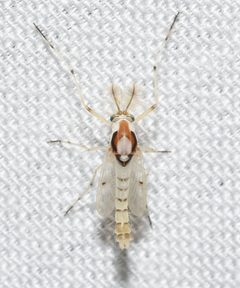
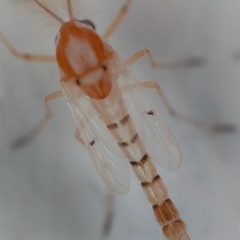
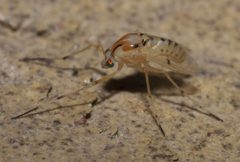
4Coelotanypus is a of non-biting midges in the Chironomidae, Tanypodinae. The genus contains approximately five described . It is classified within the tribe Coelotanypodini, a group characterized by predatory larval habits. Species in this genus have been documented in the Americas, with records from Colombia and Norway.
Pronunciation
How to pronounce Coelotanypus: /ˌsiːloʊˈtænɪpəs/
These audio files are automatically generated. While they are not always 100% accurate, they are a good starting point.
Identification
Members of Coelotanypus can be distinguished from other Tanypodinae by tribal-level characters of the Coelotanypodini, including specific arrangements of larval mouthpart structures and hypopygial . The is separated from the closely related genus Clinotanypus by differences in the antennal and tarsal claw structure in adults. Larvae possess well-developed prementum and distinctive mandibular teeth adapted for .
Images
Habitat
Aquatic or semi-aquatic environments; larvae are found in freshwater . Specific microhabitat preferences are not well documented for most .
Distribution
Documented from the Americas (Colombia: Magdalena department) and Europe (Norway). Distribution records are sparse and likely incomplete due to limited sampling.
Ecological Role
Larvae are predatory, feeding on other in aquatic systems. This positions them as secondary consumers in freshwater .
Similar Taxa
- ClinotanypusClosely related within the same tribe Coelotanypodini; distinguished by antennal and tarsal claw structure in
- TanypusRelated in Tanypodinae but in different tribe (Tanypodini); differs in larval mouthpart and genitalia
More Details
Taxonomic history
The was established by Kieffer in 1913. Several were originally described under other genera and later transferred to Coelotanypus, including C. concinnus (originally Tanypus concinnus Coquillett, 1895), C. scapularis (originally Tanypus scapularis Loew, 1866), and C. tricolor (originally Tanypus tricolor Loew, 1861).