
Coelotanypus scapularis
(Loew, 1866)
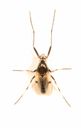
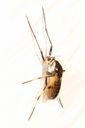
Coelotanypus scapularis is a of non-biting midge in the Chironomidae, first described by Loew in 1866. The species belongs to the Tanypodinae, a group of predatory whose larvae are aquatic. Larvae have been documented feeding on diatoms, crustaceans, oligochaetes, and other insects. The species is established in North America with 277 observations recorded on iNaturalist.
Pronunciation
How to pronounce Coelotanypus scapularis: //ˌsiːloʊˈtænɪpəs ˌskæpjəˈlɑːrɪs//
These audio files are automatically generated. While they are not always 100% accurate, they are a good starting point.
Images
Habitat
Aquatic environments; larvae are aquatic.
Distribution
North America. Established distribution based on 277 iNaturalist observations.
Diet
Larvae feed on diatoms, crustaceans, oligochaetes, and other insects.
Life Cycle
Complete with aquatic larval stage. Specific details of , pupal, and stages are not documented in available sources.
Ecological Role
in aquatic as larvae.
More Details
Taxonomic history
Originally described as Tanypus scapularis by Loew in 1866, later transferred to Coelotanypus.
Sources and further reading
- BugGuide
- Wikipedia
- GBIF taxonomy match
- iNaturalist taxon
- NCBI Taxonomy
- Catalogue of Life
- Just in the tick of time: American dog tick, Dermacentor variabilis, and Black-legged tick, Ixodes scapularis — Bug of the Week
- Another Invasive Mosquito Species Arrives in Florida
- In the Southern U.S., Young Blacklegged Ticks' Habitat is a Mystery
- Cold weather arrives but don’t let your guard down for a tick attack: Blacklegged tick, Ixodes scapularis — Bug of the Week
- An Up-Close Look at the Tiny Sensory Pits That Ticks Use to Smell
- In Mississippi, Blacklegged Ticks' Seasonal Shift Deemed "Very Strange"