
Diplocladius
Kieffer, 1908
Species Guides
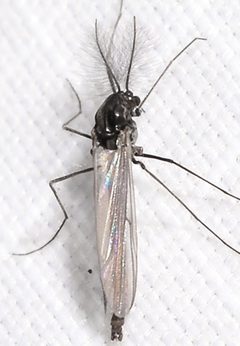
1Diplocladius is a of non-biting midges in the bloodworm Chironomidae. It belongs to the Orthocladiinae, a diverse group of commonly found in aquatic and semi-aquatic environments. The genus was established by Kieffer in 1908 and contains four recognized . These midges are part of the benthic macroinvertebrate of freshwater systems.
Pronunciation
How to pronounce Diplocladius: /ˌdɪpləˈkleɪdiəs/
These audio files are automatically generated. While they are not always 100% accurate, they are a good starting point.
Identification
Diplocladius can be distinguished from other Orthocladiinae by male genitalia characteristics, particularly features of the gonostylus and gonocoxite. The genus name refers to the forked or divided claw-like structures (from Greek diplo- 'double' and cladius 'branch'). Species-level identification requires examination of hypopygial and antennal proportions. D. cultriger is notable for its distinctive bilobed gonostylus structure.
Images
Habitat
Found in freshwater lotic and lentic environments. have been collected from streams, rivers, and lake margins. Specific microhabitat preferences vary by species but generally involve benthic substrates including stones, gravel, and aquatic vegetation.
Distribution
Recorded from northern Europe including Denmark (DK), Norway (NO), and Sweden (SE). Distribution likely reflects a or temperate Palearctic range, though comprehensive surveys are limited.
Life Cycle
As with other Chironomidae, development includes , larval, pupal, and stages. Larvae are aquatic and benthic, with typical hemoglobin-bearing larvae (bloodworms). Specific duration and voltinism patterns for Diplocladius have not been documented.
Ecological Role
Larvae contribute to benthic as and are prey for aquatic and fish. emerge to mate and do not feed. The participates in nutrient cycling in freshwater .
Human Relevance
No direct economic or medical importance. Like other non-biting midges, may form nuisance near water bodies during mass events. Larvae may serve as bioindicators of water quality in ecological assessments.
Similar Taxa
- CricotopusBoth are Orthocladiinae with superficially similar ; distinguished by gonostylus structure and antennal flagellomere proportions.
- OrthocladiusShares and general body plan; separated by details of male genitalia configuration and wing venation patterns.
More Details
Taxonomic history
D. cultriger was described by Kieffer in 1908, with D. bilobatus Brundin, 1956 later synonymized under it. The has received limited taxonomic revision since Brundin's work on Orthocladiinae .
Research status
The remains poorly studied compared to more common genera. Most records derive from Scandinavian faunistic surveys. Larval and are largely undescribed in published literature.