
Chasmatonotus
Loew, 1864
Species Guides
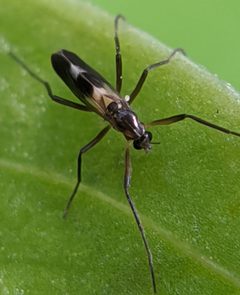
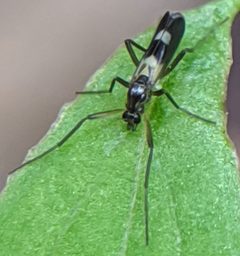
5Chasmatonotus is a of non-biting midges in the Chironomidae, Orthocladiinae. The genus contains approximately 14 described and exhibits a disjunct distribution spanning Japan, the Nearctic region, and Continental Asia. are fully winged but non-flying, a distinctive trait among chironomids. The genus was historically considered restricted to Japan and North America until the 2023 discovery of a species in Korea.
Pronunciation
How to pronounce Chasmatonotus: //ˌkæzmætəˈnoʊtəs//
These audio files are automatically generated. While they are not always 100% accurate, they are a good starting point.
Identification
possess fully developed wings but are flightless, an unusual combination among . The is characterized by a mesonotal fissure. -level identification requires examination of male genitalia and other detailed morphological features.
Images
Habitat
Southern mountainous areas of the Korean Peninsula; seepage inferred from related ecological context.
Distribution
Japan, Nearctic region (North America), and Continental Asia (Korean Peninsula). The exhibits an Asia-Nearctic disjunct distribution pattern.
Behavior
are fully winged but non-flying. This flightlessness has been observed directly in the .
Similar Taxa
- TrichothaumaleaBoth are associated with seepage and share ecological similarities; referenced together in research on seepage .
More Details
Taxonomic history
The was long considered to Japan and the Nearctic region. The 2023 description of C. yamamotoi from Korea marked the first record from Continental Asia, significantly expanding the known range.
Research gaps
Basic including larval requirements, feeding , and complete remain undocumented for most .