
Chasmatonotus unimaculatus
Loew, 1864
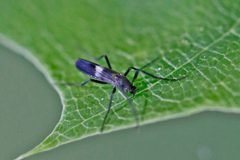
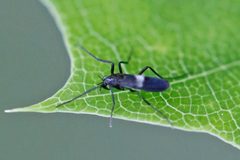
Chasmatonotus unimaculatus is a non-biting midge described by Loew in 1864. It belongs to the Orthocladiinae within the Chironomidae. The Chasmatonotus is characterized by distinctive morphological features in the male genitalia. Like other chironomids, this species has an aquatic larval stage and terrestrial adult stage.
Pronunciation
How to pronounce Chasmatonotus unimaculatus: //ˌkæs.məˌtoʊˈnoʊ.təs ˌjuː.nɪˌmæk.jəˈleɪ.təs//
These audio files are automatically generated. While they are not always 100% accurate, they are a good starting point.
Identification
Members of the Chasmatonotus can be distinguished from other Orthocladiinae by the structure of the male hypopygium, particularly the arrangement of spines and lobes. The specific epithet 'unimaculatus' suggests a single spot or marking, though the exact location and nature of this marking on the body or wings is not documented in available sources. Definitive identification requires examination of male genitalia under magnification.
Images
Life Cycle
As a member of Chironomidae, Chasmatonotus unimaculatus has a consisting of four stages: , larva, pupa, and . Larvae are aquatic and develop in freshwater environments. The pupal stage is also aquatic, with adults emerging to mate. Adults are short-lived and do not feed.
Ecological Role
As part of the Chironomidae , larvae likely function as or collectors in aquatic , processing organic matter and serving as prey for fish and other aquatic . may contribute to nutrient transfer between aquatic and terrestrial .
Similar Taxa
- Other Orthocladiinae generaSimilar small size and general body plan, but distinguished by male genitalia , particularly the structure of the hypopygium with its characteristic spine and lobe arrangement in Chasmatonotus.
- Chasmatonotus speciesOther within the share the distinctive genitalic features but differ in specific details of hypopygial structure and possibly in thoracic or wing markings; C. unimaculatus specifically may be distinguished by the single spot implied by its epithet.
More Details
Taxonomic placement
Chasmatonotus unimaculatus is classified in the Orthocladiinae, one of the most -rich subfamilies of Chironomidae. The Chasmatonotus was established by Loew, who also described this species.
Observation data
The has been recorded in iNaturalist with 58 observations, indicating it is documented in citizen science databases, though specific locality or data from these observations is not detailed in available sources.