
Pseudochironomus
Malloch, 1915
nonbiting midge
Species Guides
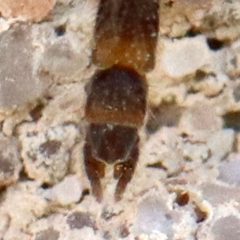
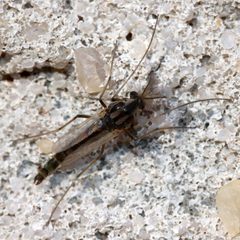
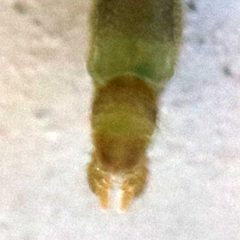
1Pseudochironomus is a of nonbiting midges in the Chironomidae, containing more than 20 described distributed across the Americas and Europe. The genus belongs to the tribe Pseudochironomini within Chironominae. Larvae are aquatic and have been studied for their growth responses to diet quality and thermal conditions.
Pronunciation
How to pronounce Pseudochironomus: //ˌsjuːdoʊˈkɪrənəməs//
These audio files are automatically generated. While they are not always 100% accurate, they are a good starting point.
Images
Habitat
Aquatic; larvae occur in freshwater environments including streams, cold seeps, main channels, and side pools.
Distribution
Americas and Europe; specific records from Colombia (Cundinamarca), Denmark, Norway, and Sweden.
Diet
Larvae feed on , including diatoms and algal detritus. In laboratory studies, Pseudochironomus richardsoni has been reared on Spirulina, Chlorella, and Scenedesmus.
Life Cycle
Holometabolous with larval and pupal stages; larval development rate varies with temperature and food quality.
Behavior
Growth and developmental rates increase with temperature and are highest on high-quality algal diets such as diatoms. Thermal fluctuations can reduce growth compared to constant warm temperatures.
Ecological Role
Primary consumer in aquatic ; contributes to secondary production in algal mat .