
Eucorethra underwoodi
Underwood, 1903
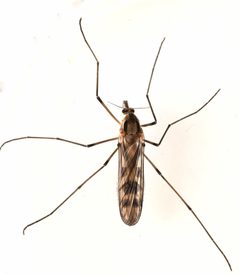
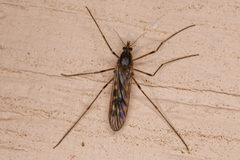
Eucorethra underwoodi is a of phantom midge in the Chaoboridae, described by Underwood in 1903. As a member of this family, it belongs to a group of non-biting midges known for their aquatic larvae and transparent, reduced mouthparts in . The Eucorethra is a distinctive lineage within Chaoboridae. Specific ecological details for this species remain poorly documented in published literature.
Pronunciation
How to pronounce Eucorethra underwoodi: /juːˈkɒrəθrə ˌʌndərˈwʊdi/
These audio files are automatically generated. While they are not always 100% accurate, they are a good starting point.
Identification
Members of the Eucorethra can be distinguished from other Chaoboridae by features of wing venation and genitalia, though -level identification of E. underwoodi requires examination of male terminalia and comparison with related species. have the characteristic reduced mouthparts and typical of male Chaoboridae. Detailed diagnostic features for this species are not readily available in general sources.
Images
Distribution
North America. The has been documented in the United States based on collection records and iNaturalist observations.
Life Cycle
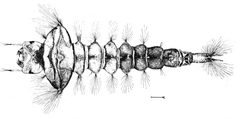
As a chaoborid , Eucorethra underwoodi has an aquatic larval stage and terrestrial stage. Larvae are predatory in water, while adults do not feed due to reduced mouthparts. Specific details of deposition, larval development duration, or sites for this have not been documented.
Ecological Role
As a phantom midge, the predatory larvae likely contribute to aquatic as both of small and prey for larger aquatic organisms. serve as a food source for aerial .
Human Relevance
No significant direct interactions with humans are documented. The is not known to be a pest, , or agent.
Similar Taxa
- Other Eucorethra speciesCongeneric share similar general and require detailed examination of male genitalia for reliable separation.
- Other Chaoboridae generaRelated phantom midges in such as Chaoborus and Corethrella can be distinguished by wing venation patterns, antennal structure, and larval .
More Details
Taxonomic note
The Eucorethra represents a relatively small lineage within Chaoboridae. The was described by Underwood in 1903, making it one of the earlier recognized members of this genus.
Data availability
This has limited published biological information. Most available data comes from taxonomic databases and collection records rather than ecological studies. The 34 iNaturalist observations suggest it is encountered infrequently by naturalists.