
Palpomyia
Meigen, 1818
Species Guides
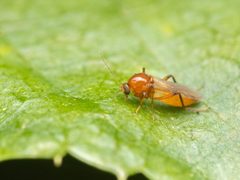
1Palpomyia is a of predaceous biting midges (Ceratopogonidae) with distribution. inhabit diverse environments including saline lakes, steppes, deserts, and temperate regions. The genus includes at least eight species in Patagonia and forms species groups across the Holarctic. Larval and pupal stages have been described for some species, though much of the genus remains poorly known.
Pronunciation
How to pronounce Palpomyia: //ˌpælpəˈmaɪə//
These audio files are automatically generated. While they are not always 100% accurate, they are a good starting point.
Identification
Separation from other Ceratopogonidae requires examination of wing venation, palpal segmentation, and genitalia structure. Specific characters distinguishing Palpomyia from closely related genera such as Bezzia and Sphaeromias are not detailed in available sources.
Images
Habitat
Heterogeneous: saline lake margins (halobiontic ), steppes, deserts, and temperate regions. Palpomyia schmidti is specifically associated with saline environments.
Distribution
. Documented from Palaearctic (Russia, Iraq), Patagonia (Argentina, Chile), and scattered records from Colombia, Denmark, Norway, and Sweden.
Diet
(inferred from multiple descriptions, though specific prey items are not documented in available sources).
Life Cycle
Holometabolous. Larva and pupa described for Palpomyia schmidti; males and females known for multiple . Complete documentation is lacking for most species.
Behavior
Halobiontic observed in P. schmidti, indicating salt- and specialized association with saline environments.
Similar Taxa
- BezziaAlso Ceratopogonidae; morphological distinction requires detailed examination of wing and genital characters not specified in available sources.
- SphaeromiasClosely related ; separation depends on subtle differences in antennal and palpal structure.
- AustrosphaeromiasFormer Palpomyia (P. chilensis) transferred to this based on revised morphological criteria, indicating historical confusion between these genera.
More Details
Taxonomic Uncertainty
The Palpomyia schmidti group is proposed to include five Holarctic , indicating ongoing revision of species boundaries. P. downesi has been synonymized with P. tuvae, demonstrating that species-level remains fluid.
Research Gaps
Larval and pupal was described for the first time for P. schmidti in 2016, indicating that stages of most Palpomyia remain unknown.