
Ceratopogonini
Predaceous Biting Midges
Genus Guides
7- Allohelea
- Alluaudomyia(predaceous midges)
- Ceratopogon(no-see-um)
- Downeshelea
- Echinohelea
- Monohelea
- Stilobezzia
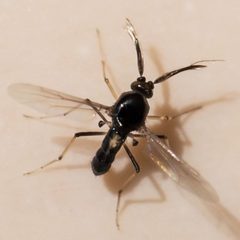
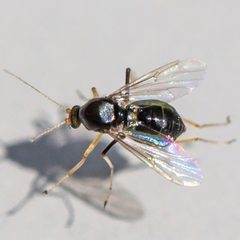
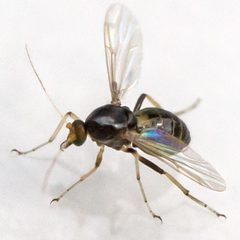
Ceratopogonini is a tribe of biting midges within the Ceratopogonidae. Members are commonly known as biting midges, reflecting their primarily predatory lifestyle. The tribe includes that serve as important agents, particularly against pests in agricultural and greenhouse settings. are small, delicate flies, while larvae are minute that subdue prey using paralytic venom.
Pronunciation
How to pronounce Ceratopogonini: /sɛrəˌtoʊpoʊˈɡoʊnɪnaɪ/
These audio files are automatically generated. While they are not always 100% accurate, they are a good starting point.
Identification
may be distinguished from similar small flies by their association with the Ceratopogonidae , though specific tribal-level identification requires detailed morphological examination. Larvae are recognized by their minute size and predatory toward aphids and other small arthropods.
Images
Habitat
Found in diverse environments where prey occur, including natural , agricultural fields, and managed greenhouses. Specific microhabitat preferences vary by .
Distribution
Global distribution with records across multiple continents; precise range varies by constituent .
Seasonality
Activity patterns vary by and climate; some species are produced commercially for year-round greenhouse use.
Diet
Predatory: larvae feed on small arthropods, particularly aphids. Prey is subdued using paralytic venom injected at leg joints, after which larvae may relocate to more substantial body regions for consumption.
Life Cycle
Larval development occurs through multiple instars during which predatory feeding takes place. Specific details of , pupal, and longevity vary by .
Behavior
Larvae employ a distinctive hunting strategy: attaching to prey leg joints, injecting paralytic venom, and relocating to optimal feeding positions once the victim is immobilized. Multiple larvae may aggregate on a single subdued prey item. Some accounts indicate larvae kill more prey than they consume.
Ecological Role
Significant of in natural and managed . Serve as key agents that mitigate agricultural losses caused by aphid pests.
Human Relevance
Commercially produced and deployed in greenhouses as agents for management. Reduces reliance on chemical in programs.
Similar Taxa
- ForcipomyiiniAnother tribe within Ceratopogonidae; distinguished by different ecological roles and morphological features
- SphaeromiiniRelated biting midge tribe; separation requires examination of genitalic and other fine morphological characters
- Aphidoletes aphidomyzaA well-studied member of Ceratopogonini, often referenced as the exemplar of the tribe's
More Details
Commercial Biological Control
within this tribe, particularly Aphidoletes aphidomyza, are mass-reared and sold commercially for biocontrol in greenhouse vegetable and ornamental production systems.
Venom Composition
The paralytic venom used by larvae is likely produced in salivary glands, though detailed biochemical characterization remains incomplete.