
Sphaeromias
Curtis, 1829
Species Guides
2Sphaeromias is a of biting midges ( Ceratopogonidae) established by Curtis in 1829. The genus contains at least four described , including S. albomarginatus, S. bifidus, S. gilvus, and S. longipennis. Members of this genus are small, blood-feeding flies belonging to the tribe Sphaeromiini within the Ceratopogoninae.
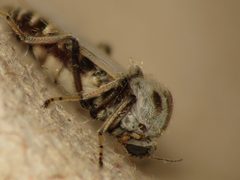
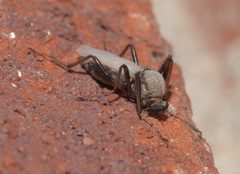
Pronunciation
How to pronounce Sphaeromias: /sfɛəɹoʊˈmaɪəs/
These audio files are automatically generated. While they are not always 100% accurate, they are a good starting point.
Identification
Sphaeromias can be distinguished from other ceratopogonid by features consistent with its tribal placement in Sphaeromiini. The genus name refers to a rounded or spherical character, likely alluding to morphological traits of the or other body parts. -level identification requires examination of male genitalia and wing venation patterns. S. longipennis is distinguished by its notably elongated wings, as indicated by its specific epithet. S. bifidus and S. gilvus were described in 1979 and 2022 respectively, suggesting refined diagnostic characters separate them from .
Images
Distribution
Documented occurrence records exist for Denmark (DK), Norway (NO), and Sweden (SE). The has also been recorded on iNaturalist with 208 observations, indicating broader geographic presence beyond formal catalog records.
Ecological Role
As members of Ceratopogonidae, in this likely function as blood-feeding of vertebrates. Their role as potential of agents has not been specifically documented for this genus.
Human Relevance
Biting midges in this may cause nuisance biting to humans and animals, though specific medical or veterinary significance has not been established. No in this genus are known to be major .
Similar Taxa
- CulicoidesThe most speciose of Ceratopogonidae; distinguished from Sphaeromias by antennal structure, wing pattern, and male genital . Culicoides are generally better known as .
- ForcipomyiaAnother large ceratopogonid ; differs in larval preferences and feeding habits, with many Forcipomyia feeding on nectar rather than blood.
More Details
Taxonomic history
The was established by John Curtis in 1829, making it one of the earlier described ceratopogonid genera. Recent descriptions (S. gilvus in 2022) indicate ongoing taxonomic refinement.
Species diversity
The number of described varies between sources (three to four), reflecting recent taxonomic changes and potential synonymies. The most recently described species, S. gilvus Grogan 2022, indicates active research on this .