
Bezzia
Kieffer, 1899
Species Guides
3- Bezzia nobilis
- Bezzia perplexa
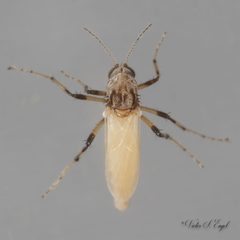
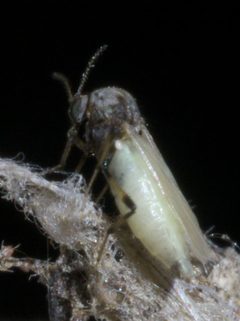
- Bezzia varicolor(biting midge)
Bezzia is a of biting midges in the Ceratopogonidae containing more than 310 described . The genus includes species with aquatic stages. females of some species possess abdominal eversible sacs, the function of which remains uncertain. Larvae are and show morphological adaptations consistent with .
Pronunciation
How to pronounce Bezzia: /ˈbɛtsiə/
These audio files are automatically generated. While they are not always 100% accurate, they are a good starting point.
Images
Habitat
Freshwater aquatic environments; stages are aquatic.
Distribution
Recorded from Colombia (Antioquia, Chocó, Cundinamarca, Tolima, Valle del Cauca), Denmark, Norway, and Martín García island in the La Plata river between Argentina and Uruguay.
Diet
Larvae are ; specific prey items not documented in available sources.
Life Cycle
Aquatic stages include fourth instar larva and pupa; complete details not documented.
Behavior
females of Bezzia varicolor possess abdominal eversible sacs attached to internal tergal apodemes; histological examination found no glandular tissue associated with these structures, and their function remains uncertain. Proposed functions for such sacs across related include roles in mating and mimicry to facilitate , though these remain speculative.
Ecological Role
; larvae function as in freshwater aquatic .
Similar Taxa
- PalpomyiaAlso possesses abdominal eversible sacs in females; both belong to tribe Palpomyiini and share this distinctive morphological feature.
- StenoxenusPossesses abdominal eversible sacs in females; similar morphological trait linking these within Ceratopogonidae.
More Details
Eversible sacs function
The abdominal eversible sacs of female Bezzia varicolor were examined histologically and found to lack glandular tissue, rejecting earlier hypotheses of a glandular function. Alternative functions proposed for such structures across the broader group of possessing them include reproductive roles and mimicry of to enhance predatory success.
Sources and further reading
- BugGuide
- Wikipedia
- GBIF taxonomy match
- iNaturalist taxon
- NCBI Taxonomy
- Catalogue of Life
- Description of the immatures of the predaceous midge Bezzia blantoni Spinelli & Wirth (Diptera: Ceratopogonidae)
- THE STRUCTURE AND FUNCTION OF THE ABDOMINAL EVERSIBLE SACS OF FEMALEBEZZIA VARICOLOR(COQUILLETT) (CERATOPOGONIDAE: DIPTERA)