
Lipara
Meigen, 1830
Species Guides
1- Lipara lucens(Cigar Gall)
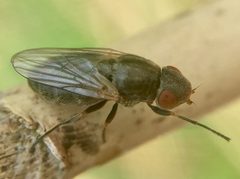
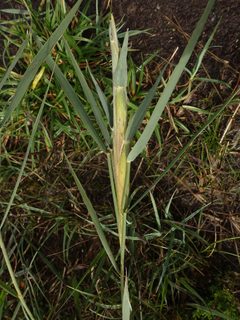
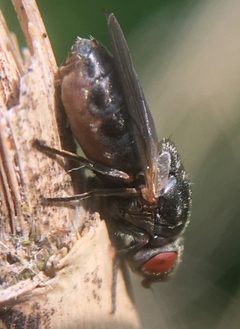
Lipara is a of frit flies ( Chloropidae) established by Meigen in 1830. in this genus are notable for inducing galls on the stems of common reed (Phragmites australis). The galls created by Lipara species, particularly L. lucens, serve as nesting sites for a specialized of hymenopterans including solitary bees and digger wasps. This genus represents a well-documented example of ecological interactions between gall-inducing insects and cavity-nesting .
Pronunciation
How to pronounce Lipara: /lɪˈpɑːrə/
These audio files are automatically generated. While they are not always 100% accurate, they are a good starting point.
Identification
Lipara are distinguished from other Chloropidae by their association with reed stem galls. are small, typically 3-5 mm in length, with reduced wing venation characteristic of the . The can be recognized by the combination of: with convergent postocellar bristles; of pubescent; and specific chaetotaxy patterns on the . Definitive species-level identification often requires examination of male genitalia or gall on plants.
Images
Habitat
Strictly associated with stands of common reed (Phragmites australis) in wetland including marshes, reedbeds, lake margins, and riverbanks. The requires dense, reed to support gall development on living stems.
Distribution
Palearctic distribution, with records across Europe and Asia. Individual ranges vary; L. lucens is widespread in western and central Europe. The as a whole has been documented from the British Isles eastward through Russia and into parts of Asia.
Seasonality
flies emerge in spring and early summer (April-June in temperate regions), coinciding with active growth of reed shoots. Gall formation occurs during the reed growing season. Larval development continues through summer, with typically occurring within the gall.
Host Associations
- Phragmites australis - gall inducerLarval development occurs within stem galls on living reed shoots
Life Cycle
Females deposit on young reed shoots. Larvae induce the formation of spindle-shaped or irregular galls on reed stems, feeding on gall tissue. Development occurs entirely within the gall. takes place inside the gall cavity. emerge through exit holes chewed in the gall wall. The galls persist after fly and are subsequently occupied by other .
Behavior
Larval involves manipulation of plant growth to create protective galls. behavior includes mate location and oviposition on actively growing reed stems. No specific adult feeding behaviors have been documented in primary literature.
Ecological Role
Primary gall inducer creating structure for secondary users. The galls serve as nesting cavities for solitary bees (Hylaeus pectoralis) and digger wasps (Pemphredon fabricii). This represents a form of ecological engineering where Lipara modifies plant structure to create resources used by other . The galls may also provide shelter for other including mites and .
Human Relevance
No direct economic importance. Indirectly relevant to wetland and conservation through its role in supporting and natural enemy . The has been used as a model system for studying insect-plant interactions and community ecology in reedbed .
Similar Taxa
- Other Chloropidae generaLipara is distinguished by its specific gall-inducing habit on Phragmites; most Chloropidae are not gall-formers and occupy different
- Cecidomyiidae (gall midges)Also induce plant galls but belong to a different dipteran ; distinguished by wing venation, antennal structure, and typically smaller size
More Details
Aculeate community
Research has documented a specific guild of bees and that nest in Lipara galls. Pemphredon fabricii (Crabronidae) and Hylaeus pectoralis (Colletidae) are obligate or near-obligate users of these galls in some regions. This represents one of the better-studied examples of inquilinism involving gall-forming Diptera.
Gall characteristics
Lipara galls are typically 10-30 mm in length, swollen or spindle-shaped, and located on upper portions of reed stems. Gall varies among Lipara and can be used for preliminary identification. The galls are lignified and persist for multiple years, unlike the ephemeral galls of many other gall-formers.