
Liohippelates
Duda, 1929
Liohippelates Eye Gnats, eye gnats
Species Guides
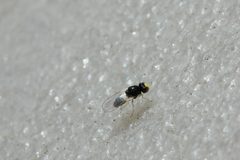
4Liohippelates is a of eye gnats (Diptera: Chloropidae) containing approximately 11 described . These small flies are recognized for their persistent association with mammalian and bodily secretions, causing significant nuisance to humans and livestock. Several species, notably L. pusio and L. collusor, have been extensively studied as agricultural and public health pests in the United States since the 1930s. The genus includes confirmed mechanical of human , with L. peruanus documented carrying Haemophilus aegyptius associated with Brazilian purpuric fever.
Pronunciation
How to pronounce Liohippelates: /ˌlaɪoʊˌhɪpəˈleɪtiːz/
These audio files are automatically generated. While they are not always 100% accurate, they are a good starting point.
Identification
Members of this are distinguished from other chloropid genera by their association with -feeding and their classification within the tribe Hippelatini. Specific -level identification requires examination of morphological characters not detailed in available sources. They are separated from the closely related genus Hippelates by subtle morphological differences and taxonomic revision history.
Images
Habitat
Agricultural systems, particularly where moist organic matter supports larval development. Natural associations, especially forest , remain poorly documented. are strongly associated with mammalian , congregating around , wounds, and other sources of secretions.
Distribution
occur in the Americas, with documented records from Brazil (L. peruanus) and extensive study in the United States (L. pusio, L. collusor). The likely has broader Neotropical and Nearctic distribution given its taxonomic affinities, but precise range boundaries for most species are not established in available literature.
Diet
feed on secretions, wound exudates, and other bodily secretions of mammals. Larval feeding habits are not specified in available sources but are presumed to involve decaying organic matter typical of chloropid larvae.
Host Associations
- humans - source of secretions for feeding; mechanical transmission of particularly children with conjunctivitis for L. peruanus
- livestock - source of secretions for feedingimplied from agricultural pest status
- Haemophilus aegyptius - mechanically transmitted isolated from L. peruanus in Brazil; associated with Brazilian purpuric fever and bacterial conjunctivitis
Life Cycle
have been well studied in agricultural systems for L. pusio and L. collusor, though specific developmental details are not provided in available sources. Typical chloropid development includes , larval, pupal, and stages, with larvae developing in moist organic substrates.
Behavior
Exhibits strong tropism for , secretions, and wounds of mammals. are persistent and cause considerable discomfort through their feeding activities. Documented role in mechanical transmission of bacterial through contact with secretions and subsequent host contact.
Ecological Role
Mechanical for bacterial including Haemophilus aegyptius. Roles in trophic cascades and natural functions are not well documented. Larval stages presumably contribute to decomposition processes in moist organic matter.
Human Relevance
Significant agricultural and public health pest causing nuisance through persistent feeding on secretions. Documented of Brazilian purpuric fever and bacterial conjunctivitis. Subject of considerable research and extension activity for management since the 1930s in the United States. Opportunities remain for improved traps, repellents, and control methods.
Similar Taxa
- HippelatesClosely related within tribe Hippelatini; historically associated with similar -feeding and transmission. Distinguished by morphological characters and taxonomic revision history. Both genera have been implicated in transmission of Haemophilus aegyptius.
More Details
Pathogen Transmission
L. peruanus represents the first documented isolation of Haemophilus aegyptius strains from chloropid flies in their natural , confirming mechanical transmission of Brazilian purpuric fever agents.
Research History
Substantial early research foundation exists for L. pusio and L. collusor in U.S. agricultural systems, providing basis for future investigations, though in natural remains poorly understood.
Sources and further reading
- BugGuide
- Wikipedia
- GBIF taxonomy match
- iNaturalist taxon
- NCBI Taxonomy
- Catalogue of Life
- Eye Gnat (Liohippelates, Diptera: Chloropidae) Biology, Ecology, and Management: Past, Present, and future
- Isolamento de Haemophiliis aegyptius associado à Febre Purpúrica Brasileira, de cloropídeos (Diptera) dos gêneros Hippelates e Liohippelates