
Mycetophilini
fungus gnats
Genus Guides
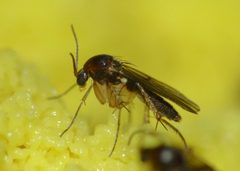
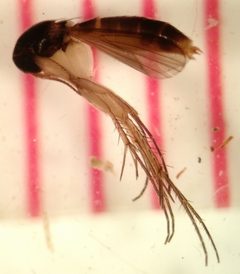
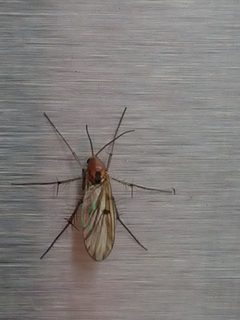
6Mycetophilini is a tribe of fungus gnats within the Mycetophilidae, comprising approximately 8 and at least 220 described . Members are small to medium-sized flies associated with fungal . The tribe is distinguished from related groups primarily by genitalic characters and wing venation patterns. are generally found in moist, shaded environments where their larval food sources occur.
Pronunciation
How to pronounce Mycetophilini: /maɪˌsɛtəˈfɪlɪnaɪ/
These audio files are automatically generated. While they are not always 100% accurate, they are a good starting point.
Identification
Separation from other mycetophilid tribes requires examination of male genitalia, particularly the gonostylus structure. Wing venation patterns, including details of the fork of M and the presence or absence of certain crossveins, provide additional diagnostic characters. External alone is generally insufficient for definitive tribal assignment.
Images
Habitat
Associated with moist, shaded environments including forest understories, riparian zones, and caves. Larval development occurs in decaying wood, fungal fruiting bodies, and other substrates supporting fungal growth. frequent the same microhabitats as their developmental sites.
Distribution
Worldwide distribution with representation in all major biogeographic regions. Records span the Nearctic, Palearctic, Neotropical, Afrotropical, Oriental, and Australasian regions. Specific range limits vary by and .
Seasonality
activity generally peaks during periods of high humidity and fungal fruiting, often spring through autumn in temperate regions. Some exhibit extended or year-round activity in tropical and subtropical zones.
Life Cycle
Complete with , larval, pupal, and stages. Larvae develop in substrates supporting fungal growth, including decaying wood, bracket fungi, and other decomposing organic matter. Developmental duration varies with temperature and substrate conditions.
Behavior
are weak fliers, typically remaining close to larval . Many form mating swarms in shaded locations. Adults have been observed on fungal surfaces and decaying wood.
Ecological Role
Larvae contribute to decomposition processes through their association with fungal . They may serve as prey for various and within their .
Human Relevance
No direct economic importance. Occasionally encountered by mushroom collectors and in cave . Not known to be pests or .
Similar Taxa
- MycomyiniAnother tribe within Mycetophilidae; distinguished by differences in wing venation and male genitalia structure
- SciophiliniRelated mycetophilid tribe; separation requires examination of genitalic characters and wing details
More Details
Taxonomic note
The tribal classification of Mycetophilidae has undergone revision; some authorities have treated Mycetophilini in a broader or narrower sense. Current circumscription follows molecular and morphological studies recognizing approximately 8 .