
Rhopalomyia erigerontis
Felt, 1916
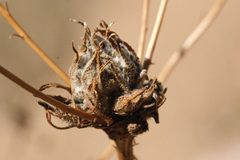
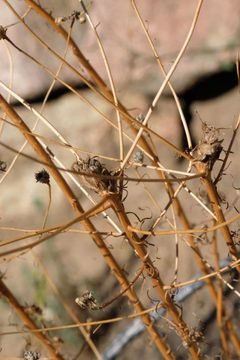
Rhopalomyia erigerontis is a gall midge in the Cecidomyiidae. It is known to induce galls on Erigeron (fleabane) . The species was described by Felt in 1916. Like other members of its , it is associated with Asteraceae plants.
Pronunciation
How to pronounce Rhopalomyia erigerontis: /rəˌpæl.əˈmaɪ.ə ɛr.ɪ.dʒəˈrɒn.tɪs/
These audio files are automatically generated. While they are not always 100% accurate, they are a good starting point.
Identification
Identification requires examination of the gall on Erigeron and morphological characters. The specific gall structure distinguishes it from other Rhopalomyia . Adult are small, delicate flies with reduced wing venation typical of Cecidomyiidae.
Images
Habitat
Found in areas where Erigeron plants grow, including open fields, meadows, roadsides, and disturbed .
Distribution
North America; distribution follows that of its Erigeron plants.
Diet
Larvae feed within plant tissue, inducing gall formation on Erigeron . do not feed.
Host Associations
- Erigeron - gall induction plant for gall formation; specific not definitively established in available sources
Life Cycle
Larvae develop within galls on Erigeron plants. occurs within the gall or in soil. emerge to mate and oviposit on plants. Multiple per year may occur depending on climate.
Behavior
Females oviposit into Erigeron tissue, triggering gall formation. Larvae remain within galls until mature.
Ecological Role
Acts as a gall inducer, modifying plant growth and providing microhabitat for other organisms. Serves as prey for and other natural enemies.
Human Relevance
No significant direct economic impact. Of interest to entomologists studying gall-forming insects and plant-insect interactions.
Similar Taxa
- Rhopalomyia solidaginisAlso induces galls on Asteraceae, but on Solidago (goldenrod) rather than Erigeron; gall differs
- Other Rhopalomyia speciesMany induce similar galls on Asteraceae; plant association is primary distinguishing feature
More Details
Taxonomic status note
Catalogue of Life lists this as a synonym, while GBIF and iNaturalist treat it as accepted. This discrepancy may reflect ongoing taxonomic revision in the Rhopalomyia.
Host specificity
The specific epithet 'erigerontis' indicates association with Erigeron, but detailed range studies are limited in available literature.