
Vitisiella
Fedotova & Kovalev, 2003
Grape Midge Galls
Species Guides
1- Vitisiella brevicauda(Grape Tumid Gallmaker Midge)
Vitisiella is a of gall midges in the Cecidomyiidae, established by Fedotova & Kovalev in 2003. in this genus are associated with grape plants (Vitis spp.), inducing characteristic galls on their . The genus is known from North America, with records from the northeastern United States. The 'Grape Galls' reflects their ecological association with cultivated and wild grapes.
Pronunciation
How to pronounce Vitisiella: //vɪtɪˈsiːɛlə//
These audio files are automatically generated. While they are not always 100% accurate, they are a good starting point.
Identification
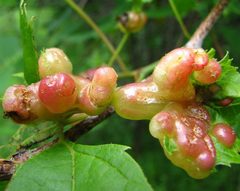
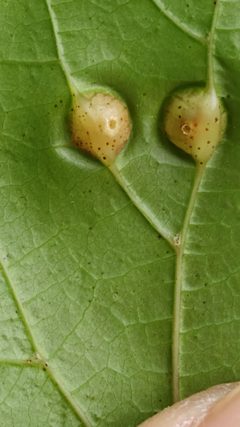
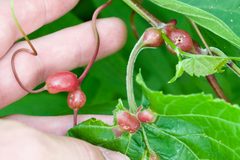
Vitisiella galls on grape plants appear as small, abnormal growths on leaves, stems, or other tissues. The are minute flies with reduced wing venation typical of Cecidomyiidae. Positive identification to requires examination of adult morphological characters including structure and genitalia, or molecular confirmation. The galls may be distinguished from those of other grape-associated cecidomyiids by their specific location, shape, and seasonal timing.
Images
Habitat
Associated with grapevines (Vitis ), including both cultivated grapes and wild grape species in North America. Occurs in vineyards, riparian corridors, woodland edges, and other settings where plants grow.
Distribution
Recorded from the northeastern United States, specifically Vermont and other US localities. The appears to be Nearctic in distribution, though precise range boundaries remain incompletely documented.
Diet
Larvae feed internally within plant tissue, inducing gall formation on grape plants (Vitis spp.). The specific nutritional relationship involves consumption of plant within the gall structure.
Host Associations
- Vitis - Grape ; galls induced on leaves and stems
Life Cycle
As with other Cecidomyiidae, development proceeds through , larva, pupa, and stages. Larvae develop within plant galls, feeding on gall tissue. occurs either within the gall or in soil. Adults are short-lived and do not feed. Multiple per year may occur, though specific is poorly documented.
Behavior
females lay on grape plant tissues. Larval feeding stimulates the plant to form galls, which provide shelter and nutrition. Gall induction is the primary behavioral interaction with plants.
Ecological Role
Acts as a gall-forming herbivore on grape plants. Galls may affect plant growth and photosynthetic capacity, though economic impact on cultivated grapes is generally minor. Serves as a food source for and other natural enemies.
Human Relevance
Minor pest of cultivated grapes; galls are primarily a cosmetic concern rather than causing significant yield loss. The has been documented in vineyard settings but is not considered a major agricultural pest. Serves as an indicator of grape plant presence in ecological surveys.
Similar Taxa
- AmpelomyiaAnother cecidomyiid associated with grape galls; distinguished by gall and genitalia structure
- SchizomyiaLarge cecidomyiid with some on Vitaceae; differs in larval and morphological characters
More Details
Taxonomic history
The was erected by Russian entomologists Z.A. Fedotova and B.V. Kovalev in 2003, with transferred from other genera based on morphological reanalysis. The type species and complete species inventory require further clarification.