
Rabdophaga salicisbrassicoides
(Packard, 1869)
willow rosette gall midge, willow cabbage gall midge
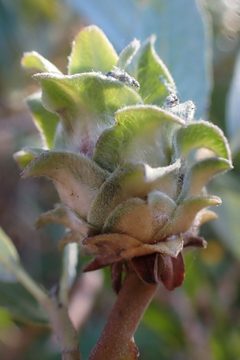
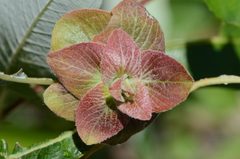
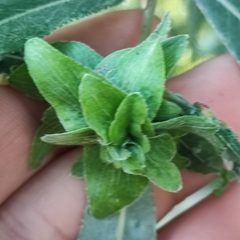
Rabdophaga salicisbrassicoides is a gall midge in the Cecidomyiidae that induces rosette or cabbage-like galls on willow . Its larvae develop within these galls and overwinter inside them. The species has been observed in association with mutualistic interactions involving Formica neoclara ants and Chaitophorus aphids on its plant Salix exigua.
Pronunciation
How to pronounce Rabdophaga salicisbrassicoides: /ræbˈdɒfəɡə sælɪsˌbɹæsɪkoʊˈaɪdiːz/
These audio files are automatically generated. While they are not always 100% accurate, they are a good starting point.
Identification
Distinguished from other Rabdophaga by the characteristic rosette or cabbage-like gall on willow . The gall structure differs from the elongated shoot galls or bud galls produced by related species. identification requires examination of antennal structure and genitalia.
Images
Habitat
Associated with willow-dominated riparian areas and wetlands where Salix exigua (sandbar willow) occurs. Galls form on actively growing shoots of willows.
Distribution
Recorded from the United States, including Vermont. Distribution corresponds with that of its primary Salix exigua in western and central North America.
Seasonality
emerge in late April. Larvae overwinter within galls.
Host Associations
- Salix exigua - plantPrimary ; galls induced on shoots
- Chaitophorus - indirect associationAphids present on same plants, involved in mutualism with ants that may benefit gall midge
- Formica neoclara - indirect association that tends Chaitophorus aphids on willows; this mutualism has been observed to benefit gall midge
Life Cycle
Larvae develop within rosette galls on willow shoots. They overwinter inside the gall structure. emerge in late April to initiate the next .
Ecological Role
Acts as a gall inducer, causing localized growth distortion in willow shoots. The gall structure provides protected for larval development. The has been observed to thrive in association with - mutualisms on plants.
Similar Taxa
- Rabdophaga rosariaAlso produces rosette galls on willows; may require gall and specificity details for separation
- Rabdophaga strobiloidesProduces cone-like willow galls with distinct from the cabbage-like rosettes of R. salicisbrassicoides
More Details
Ant-aphid association
The has been documented to benefit from the mutualistic relationship between Formica neoclara ants and Chaitophorus aphids on Salix exigua. The mechanism of this facilitation has not been fully described.