
Neolasioptera lycopi
(Felt, 1907)
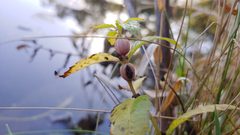
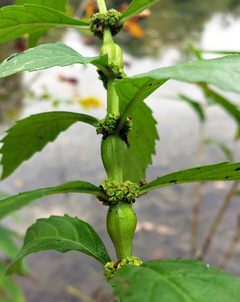
Neolasioptera lycopi is a of gall midge in the Cecidomyiidae, first described by Felt in 1907. The specific epithet "lycopi" indicates an association with plants in the Lycopus (water horehound). As with other members of its genus, this species likely induces gall formation on its plant, though specific gall remains undocumented in available sources. The species has been recorded in the northeastern United States.
Pronunciation
How to pronounce Neolasioptera lycopi: /ˌniːoʊˌleɪsiˈɒptərə ˈlaɪkəˌpaɪ/
These audio files are automatically generated. While they are not always 100% accurate, they are a good starting point.
Identification
Identification to level requires examination of morphological characters, particularly male genitalia and antennal structure, which are diagnostic in Cecidomyiidae. The specific association with Lycopus plants may aid in field recognition. Distinguishing this species from congeneric Neolasioptera species requires taxonomic expertise.
Images
Habitat
Associated with wetlands and moist where plants of the Lycopus (water horehound) occur. These environments include marshes, pond margins, stream banks, and other freshwater wetlands.
Distribution
Recorded from Vermont and other parts of the United States. The northeastern United States represents the documented range based on available occurrence data.
Host Associations
- Lycopus - plant name indicates association; specific gall formation and plant part affected not documented in available sources
Ecological Role
As a gall-inducing insect, likely modifies plant tissue to create protected feeding sites. This interaction may influence plant growth and resource allocation, though specific ecological impacts are unstudied.
Similar Taxa
- Other Neolasioptera speciesCongeneric share similar and gall-forming habits; require microscopic examination for definitive identification
- Other Lasiopterini gall midgesTribe members exhibit convergent gall-forming on diverse plants; host plant association and detailed morphological study needed for separation
More Details
Taxonomic Note
The specific epithet "lycopi" is a genitive singular derived from Lycopus, following standard Latin grammatical convention for patronymic or associative epithets in zoological .
Data Limitations
Despite 245 iNaturalist observations, detailed biological information (gall , larval development, precise range) appears absent from readily accessible literature. This pattern is common for obscure Cecidomyiidae .