
Bruggmanniella bumeliae
(Felt, 1907)
Bumelia gall midge
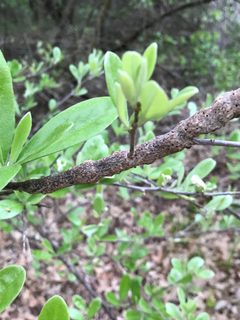
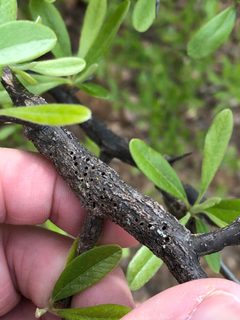
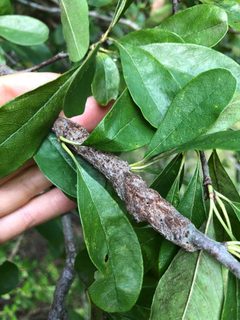
Bruggmanniella bumeliae is a gall midge in the Cecidomyiidae, commonly known as the Bumelia gall midge. The species induces galls on plants in the Sideroxylon (formerly Bumelia), which includes species commonly called gum bully or false buckthorn. It was first described by Felt in 1907. The species has been documented across multiple observations, with iNaturalist recording approximately 470 observations, suggesting it is relatively well-documented among gall midges.
Pronunciation
How to pronounce Bruggmanniella bumeliae: /bruɡˌmænˈiːlə buˈmɛliˌi/
These audio files are automatically generated. While they are not always 100% accurate, they are a good starting point.
Identification
Identification relies primarily on association with plant galls rather than alone. The specific epithet "bumeliae" reflects its association with Sideroxylon (formerly Bumelia) host plants. Adult gall midges in this are minute, delicate flies with reduced wing venation characteristic of Cecidomyiidae. Definitive identification typically requires examination of gall morphology on the host plant and microscopic analysis of adult specimens.
Images
Habitat
Associated with Sideroxylon , which occupy various including coastal plains, sandhills, and scrublands in southeastern North America. The 's presence is tied to the distribution of its plants.
Distribution
Southeastern United States, corresponding to the range of Sideroxylon plants. The Sideroxylon occurs from Virginia south to Florida and west to Texas.
Host Associations
- Sideroxylon - gall inducerFormerly classified as Bumelia; includes such as Sideroxylon lanuginosum (gum bully) and Sideroxylon tenax (tough bully)
Ecological Role
As a gall inducer, the modifies plant tissue to form galls that provide shelter and nutrition for larval development. Gall formation represents a form of plant-animal interaction that may influence host plant growth and resource allocation.
Human Relevance
No significant documented economic or medical importance. The "Bumelia gall midge" reflects its association with native North American plants of limited commercial value. May be of interest to naturalists and entomologists studying gall-forming insects.
Similar Taxa
- Other Bruggmanniella speciesCongeneric likely share similar and gall-inducing habits; differentiation requires plant association and detailed morphological study
- Other Cecidomyiidae on SideroxylonMultiple gall midge may utilize the same ; precise identification requires examination of gall structure and specimens
More Details
Nomenclatural history
The specific epithet "bumeliae" reflects the former generic classification of the plant as Bumelia, which has been synonymized under Sideroxylon. This creates a disconnect between the and current host plant .
Observation frequency
The relatively high number of iNaturalist observations (approximately 470) for this suggests either genuine abundance, ease of detection due to conspicuous galls, or active documentation effort by naturalists interested in gall-forming insects.