Asphondylia solidaginis
Beutenmüller, 1907
goldenrod gall midge
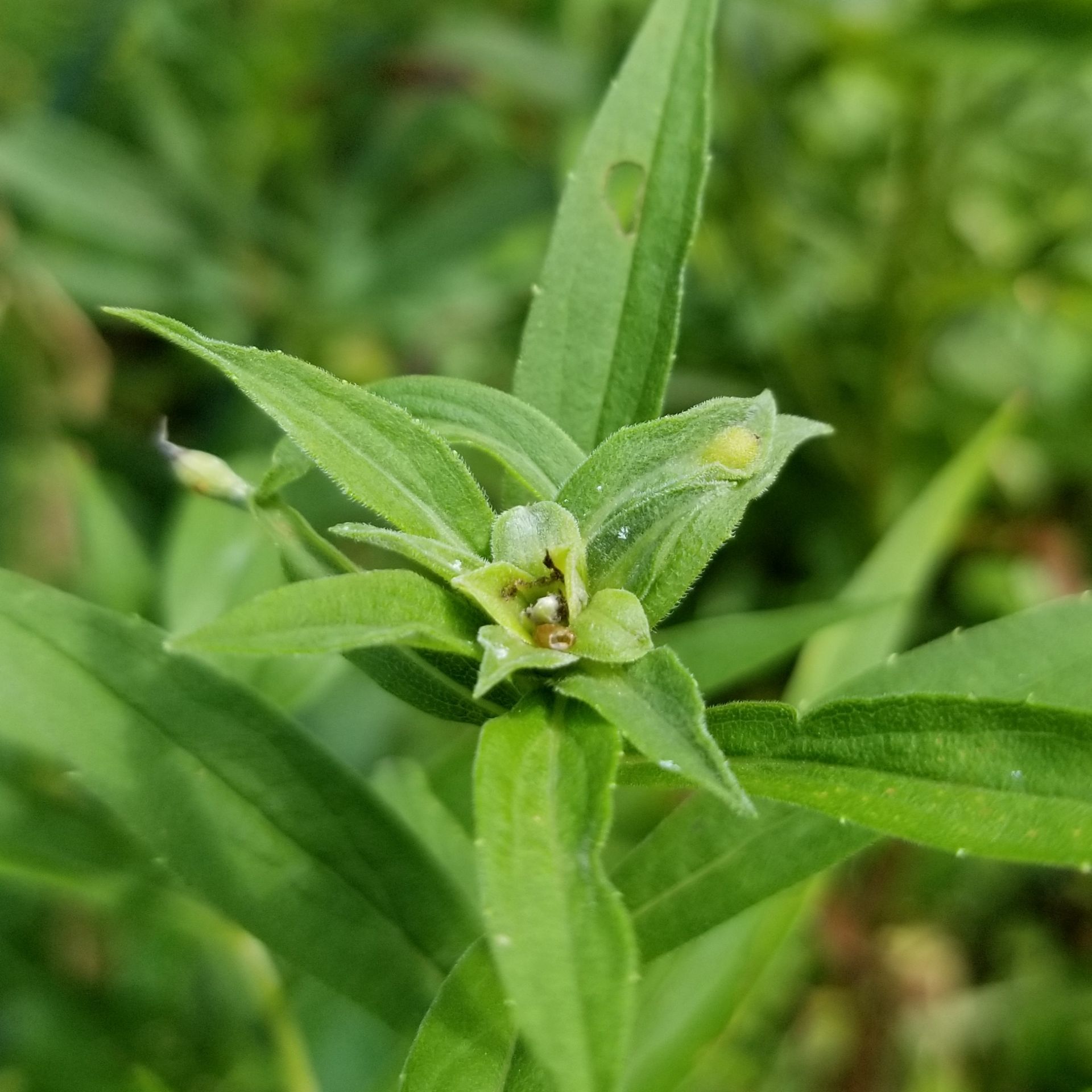
A gall midge that induces two distinct gall types on goldenrods in North America. First described in 1907, it produces blister-like 'snap' galls on leaves in spring and early summer, and leafy rosette galls from buds in late summer. The species is multivoltine, with several per year, and primarily uses Solidago altissima as a .
Pronunciation
How to pronounce Asphondylia solidaginis: /æsˌfɒnˈdɪliə ˌsɒlɪˈdædʒɪnɪs/
These audio files are automatically generated. While they are not always 100% accurate, they are a good starting point.
Identification
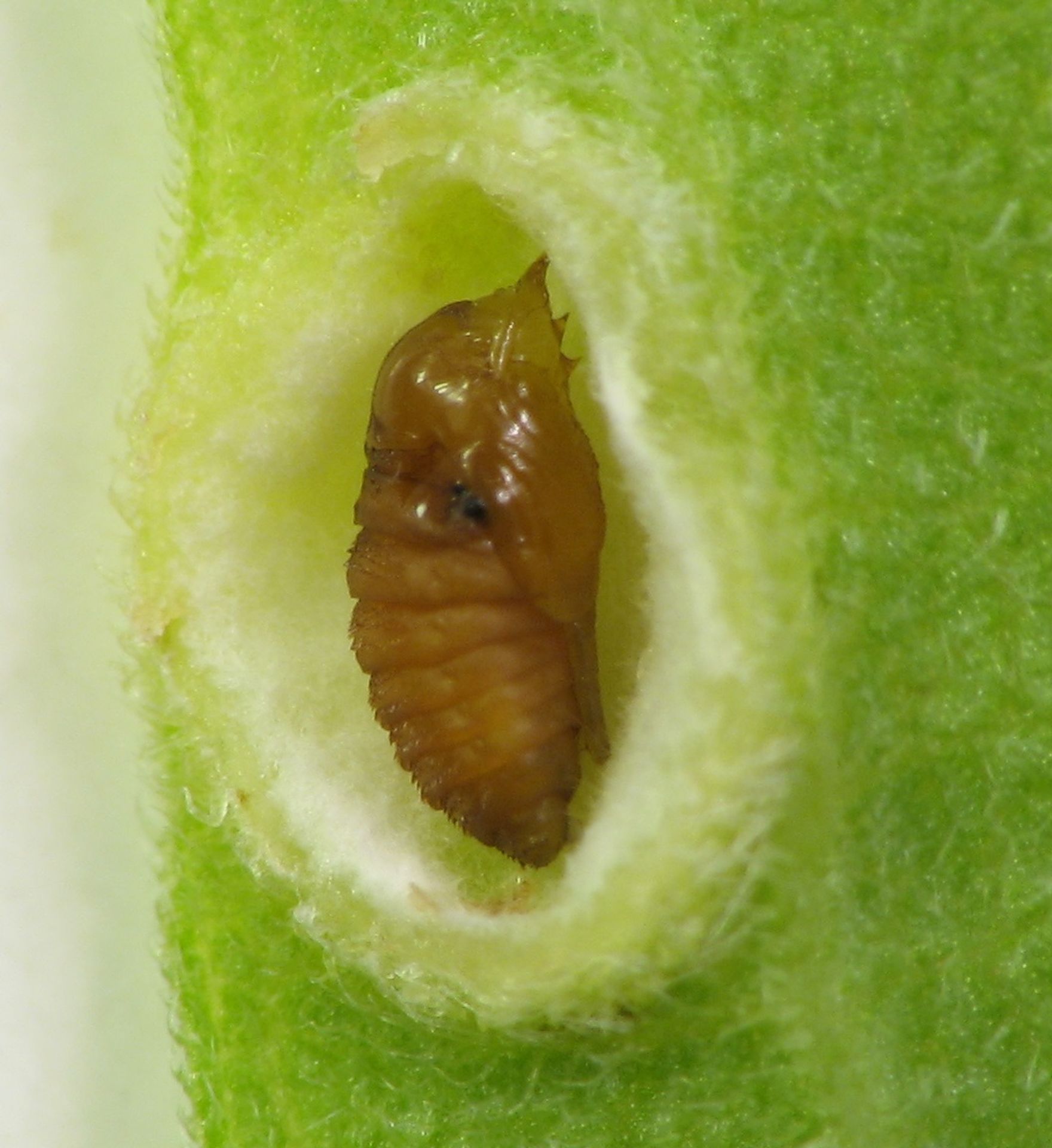
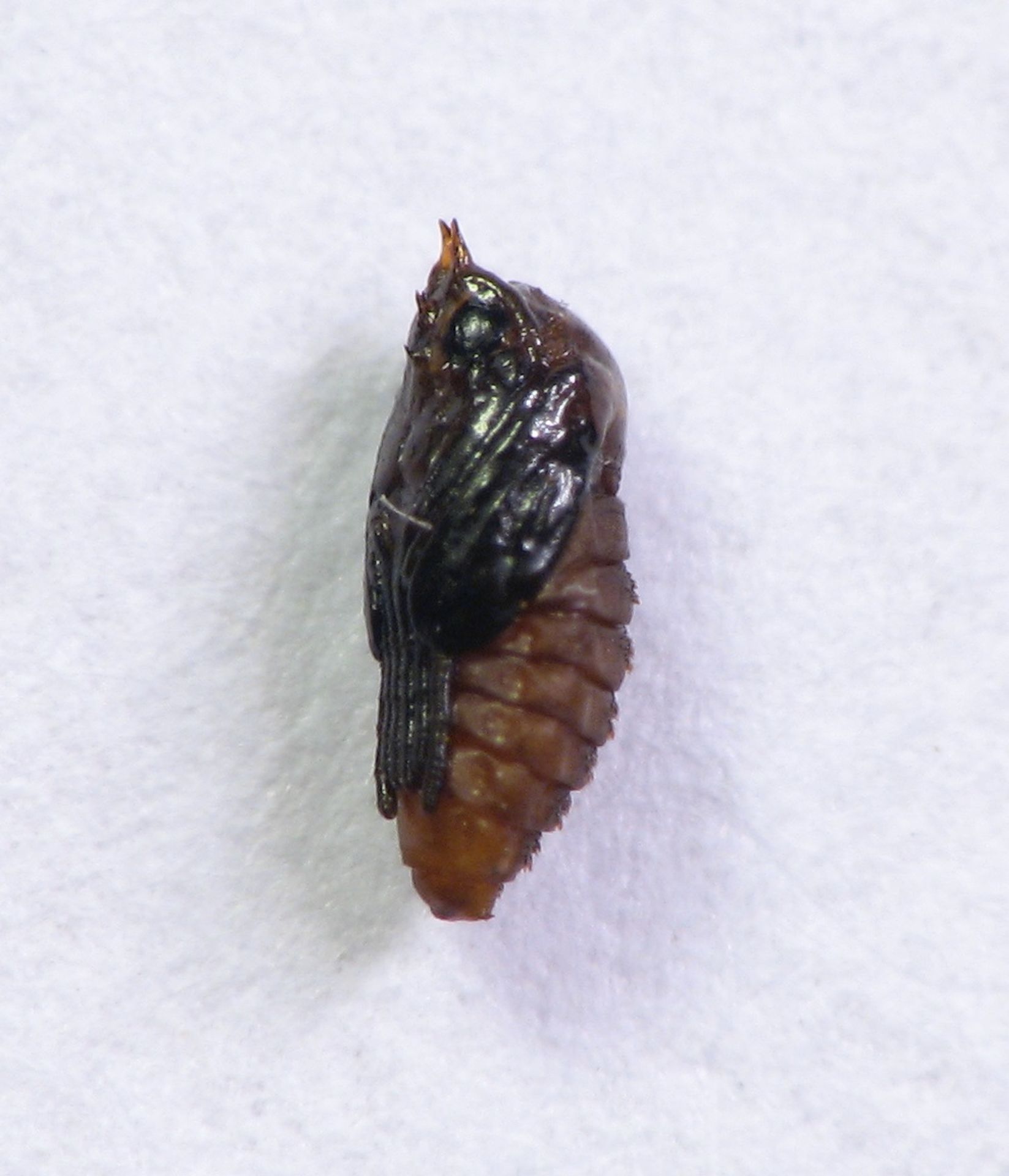
are morphologically very similar to Asphondylia monacha; pupal shape is the distinguishing character between these two . The galls themselves are diagnostic: early-season galls are single-chambered blisters that typically fuse two leaves together in a 'snap' formation, while late-season rosette galls are 3–5 cm in diameter with a central single chamber.
Images
Habitat
Found in supporting its plants, primarily tall goldenrod (Solidago altissima) and occasionally giant goldenrod (Solidago gigantea).
Distribution
Widespread in North America; distribution records include Vermont and other parts of the United States.
Seasonality
Multivoltine with several annually. emerge from leaf galls in June and July. Late-season rosette galls develop from summer buds and persist through fall.
Diet
Larvae feed internally within plant galls on goldenrod tissue. do not feed; larvae are the sole feeding stage.
Host Associations
- Solidago altissima - primary Used for both snap galls (leaf buds) and rosette galls (buds)
- Solidago gigantea - secondary Used for snap galls only; rosette galls not induced on this
Life Cycle
Females deposit in leaf buds of goldenrod in spring and early summer. Larvae develop within single-chambered galls, feeding on plant tissue. emerge from galls in June and July. Later induce rosette galls from buds of S. altissima. The completes multiple generations per year.
Ecological Role
Gall inducer that manipulates plant development to create protected feeding chambers. The galls may serve as microhabitats for other organisms; Youngomyia podophyllae has been found within A. solidaginis galls, though its relationship ( or ) remains undetermined.
Similar Taxa
- Asphondylia monacha are very similar in appearance; distinguished by pupal
- Other Asphondylia speciesInduce similar snap and rosette galls on other goldenrod ; specific associations and gall details aid separation
More Details
Interspecific associations
The gall midge Youngomyia podophyllae has been documented inhabiting galls of A. solidaginis, but whether it acts as an (commensal inhabitant) or is unknown.
Sources and further reading
- BugGuide
- Wikipedia
- GBIF taxonomy match
- iNaturalist taxon
- NCBI Taxonomy
- Catalogue of Life
- Unforeseen Trophic Interactions in Ag Systems: What-Eats-What in the Food Chain | Bug Squad
- Deck the halls with boughs of holly adorned with cheery red and green berries! Green is good for holly berry midge, Asphondylia ilicicola — Bug of the Week
- Deck the halls with boughs of holly…and the Native holly leafminer, 'Phytomyza ilicicola', and Holly berry midge, 'Asphondylia ilicicola' — Bug of the Week
- Green is good - Holly berry midge, Asphondylia ilicicola — Bug of the Week
- Green is good for holly berry midge, Asphondylia ilicicola — Bug of the Week
- How Some Insects Turn Plants Into Pollution Detectors