
Scatopsinae
Tribe Guides
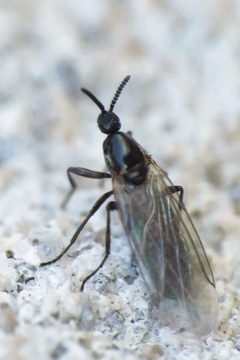
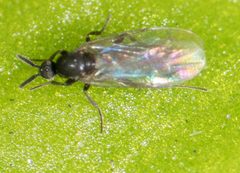
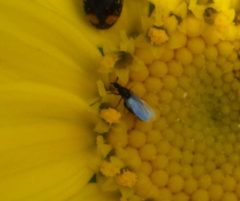
4Scatopsinae is a of minute black scavenger flies (Diptera: Scatopsidae). These small, dark-colored flies are generally associated with decaying organic matter. The subfamily contains numerous and distributed across diverse worldwide. They are distinguished from the other scatopsid subfamily, Aspistinae, primarily by wing venation and antennal characteristics.
Pronunciation
How to pronounce Scatopsinae: /skəˈtɒpsɪniː/
These audio files are automatically generated. While they are not always 100% accurate, they are a good starting point.
Identification
Distinguished from Aspistinae by: with 6-11 segments (Aspistinae have 4-5); wing with R absent or reduced to stubs; male genitalia often asymmetrical. Within Scatopsinae, distinguished by details of antennal structure, wing venation patterns, and male terminalia. Specimen identification usually requires microscopic examination.
Images
Habitat
Found in moist, decaying organic substrates including: rotting wood, leaf litter, compost, , carrion, and fungal fruiting bodies. Some associated with or colonies. often found in shaded, humid microhabitats near larval development sites.
Distribution
distribution. Recorded from all major biogeographic regions including Nearctic, Palearctic, Neotropical, Afrotropical, Oriental, and Australasian regions. Diversity appears highest in tropical and temperate forest .
Seasonality
activity generally peaks during warmer months in temperate regions; may be year-round in tropical areas. Many show increased abundance following periods of rainfall that promote decay of organic matter.
Behavior
often observed running on substrate rather than flying. Weak fliers, usually remaining close to larval . Males may form small swarms for mating. Both sexes attracted to decaying organic matter for feeding and oviposition.
Ecological Role
Decomposers contributing to nutrient cycling in decaying organic matter. Larvae consume decaying plant material, fungi, and associated microorganisms. Some may serve as indicators of specific decay stages or conditions.
Human Relevance
Generally of minor direct economic importance. Occasionally abundant in composting facilities or manure management systems. Not known as significant or agricultural pests. Some used in to estimate time of death based on of carrion.
Similar Taxa
- AspistinaeOther of Scatopsidae; distinguished by 4-5 flagellomeres, more complete wing venation with R present, and symmetrical male genitalia
- PsychodidaeMoth flies share small size and hairy appearance but have longer , different wing posture at rest, and distinct wing venation with more complete venation pattern
- CecidomyiidaeGall midges are similar in size but have bead-like flagellomeres with of long setae, and typically more delicate build with longer legs
More Details
Taxonomic Complexity
Scatopsinae contains approximately 30 and hundreds of described , with many undescribed species likely remaining, particularly in tropical regions. The genus-level has undergone significant revision, and identification keys are scattered in specialized literature.
Collection Challenges
Due to small size and tendency to remain near ground level or within substrate, Scatopsinae are frequently under-collected in standard insect surveys. Specialized techniques such as traps, soil extraction, and careful hand-searching of decaying matter are often required for adequate sampling.