
Bibio brunnipes
(Fabricius, 1794)
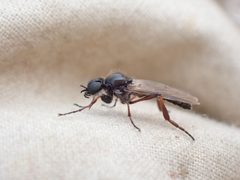
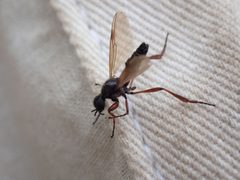
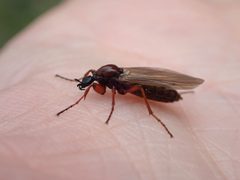
Bibio brunnipes is a march fly in the Bibionidae with a Holarctic distribution, occurring across northern regions of both the Old and New Worlds. The has been subject to taxonomic revision, with several previously described species now synonymized under B. brunnipes. Like other members of the , are typically active in spring and may occur in large . Larval stages develop in soil and contribute to decomposition processes.
Pronunciation
How to pronounce Bibio brunnipes: /ˈbi.bi.oʊ ˈbrʊn.ɪˌpɛs/
These audio files are automatically generated. While they are not always 100% accurate, they are a good starting point.
Images
Distribution
Holarctic: present in Norway and Sweden (GBIF records); broader distribution across northern Palearctic and Nearctic regions based on taxonomic literature.
Seasonality
Spring has been observed; specific period details are limited for this .
Life Cycle
are deposited in soil masses of 200-300 by related Bibio ; larvae feed on decaying organic matter, manure, compost, and grass roots; mature larvae likely overwinter with in early spring. Direct confirmation for B. brunnipes is limited, but pattern is consistent with .
Behavior
Males of related Bibio form large swarms to attract females; females use stout, downcurved tibial spurs on forelegs to dig into soil for -laying. Whether B. brunnipes exhibits identical swarm requires confirmation.
Ecological Role
Larvae function as decomposers in soil , breaking down decaying plant material and contributing to nutrient cycling.
Similar Taxa
- Bibio rufipesAlso Holarctic; distinguished by male genitalia and leg characteristics, though these require dissection for reliable separation
- Bibio siebkeiThird Holarctic in ; morphological separation relies on detailed examination of male terminalia and leg structures
Sources and further reading
- BugGuide
- GBIF taxonomy match
- iNaturalist taxon
- Catalogue of Life
- Bug Eric: March Flies in May
- Bugs in love, lovebugs and kissin bugs — Bug of the Week
- Bugs in love: Lovebugs and Kissing bugs — Bug of the Week
- Bugs in love: lovebugs and kissing bugs — Bug of the Week
- Bug of the Week
- Holarctic distributions in the genus Bibio (Diptera: Bibionidae)