
Mydas tibialis
Wiedemann, 1828
Golden-legged Mydas Fly, golden legged mydas fly
Mydas tibialis, commonly known as the golden-legged mydas fly, is a large, striking mydas fly in the Mydidae. The is notable for its impressive size and distinctive golden-orange coloration on the legs, from which its derives. It occurs in North America, where have been observed visiting flowers, particularly those of Eryngium yuccifolium (rattlesnake master). The family Mydidae contains some of the largest flies in North America, and M. tibialis exemplifies this characteristic with its robust build.
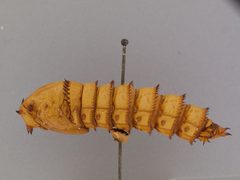
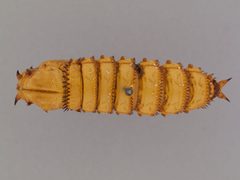

Pronunciation
How to pronounce Mydas tibialis: //ˈmaɪdəs tɪˈbiːəlɪs//
These audio files are automatically generated. While they are not always 100% accurate, they are a good starting point.
Identification
Mydas tibialis can be distinguished from other mydas flies by its large size and the distinctive golden-orange coloration of its legs, which contrasts with the darker body. The Mydas contains the largest flies in North America, and M. tibialis is among the more visually striking due to this leg coloration. Separation from other Mydas species would require examination of specific morphological details not provided in available sources.
Images
Habitat
Observed in dry post oak woodland in Missouri. The specific requirements are not well documented, but the appears associated with open woodland and prairie-edge environments where its floral occur.
Distribution
North America. Specific records include Missouri (St. Joe State Park) and presumably other areas within the central and eastern United States based on the general North American distribution cited.
Host Associations
- Eryngium yuccifolium - observed visiting flowers for nectar.Specifically noted visiting rattlesnake master flowers in dry post oak woodland.
Behavior
have been observed visiting flowers, specifically those of Eryngium yuccifolium. This flower-visiting suggests adult feeding on nectar. The behavior of larvae and other life stages has not been documented in available sources.