
Messiasia
Andretta, 1951
Species Guides
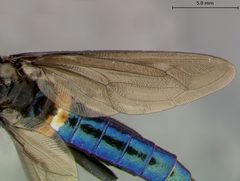
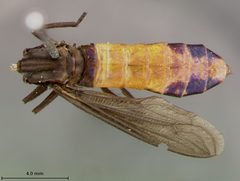
1Messiasia is a of mydas flies ( Mydidae) established by Andretta in 1951. The genus contains 16 described distributed primarily in the Americas, with species known from the western United States, Central America, and South America. These flies are among the largest in Diptera and are characterized by their elongate bodies and -like appearance.

Pronunciation
How to pronounce Messiasia: /mɛˈsaɪsiə/
These audio files are automatically generated. While they are not always 100% accurate, they are a good starting point.
Images
Distribution
Western United States (California), Central America, and South America (including Brazil, Colombia, and other regions). Specific type localities include California, Rio de Janeiro (Brazil), and Amazonian regions.
Similar Taxa
More Details
Etymology
The name honors the Brazilian entomologist Messias Carrera, who worked extensively on Diptera.
Taxonomic History
Originally described by Andretta in 1951 with Messiasia notospila as the type . Several species were later transferred from other , including some originally described in Mydas and Rhaphiomidas.