
Leptomydinae
Mydas flies
Genus Guides
2- Nemomydas(mydas flies)
- Pseudonomoneura
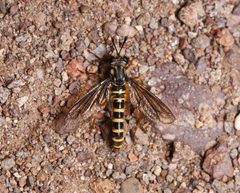
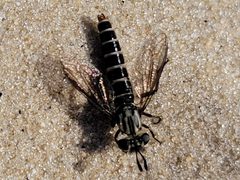
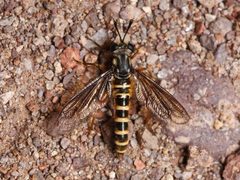
Leptomydinae is a of mydas flies ( Mydidae) containing at least 6 and more than 50 described . Members are primarily distributed in the Northern Hemisphere. The subfamily includes the genera Eremomidas, Hessemydas, Leptomydas, Nemomydas, Plyomydas, and Pseudonomoneura. Leptomydas, the type genus, was established by Gerstaecker in 1868.
Pronunciation
How to pronounce Leptomydinae: /ˌlɛptoʊˈmaɪdəni/
These audio files are automatically generated. While they are not always 100% accurate, they are a good starting point.
Images
Distribution
Primarily distributed in the Northern Hemisphere. Specific regional distributions vary by : Leptomydas occurs in the Palearctic and Oriental regions; Nemomydas is found in the Nearctic region; Plyomydas and Pseudonomoneura occur in the Neotropical region; Eremomydas is distributed in arid regions of the Palearctic; Hessemydas is known from southern Africa.
Similar Taxa
- MydinaeThe other of Mydidae; distinguished by primarily Southern Hemisphere distribution and different wing venation patterns, though specific diagnostic features require examination of .
- SyllegomydinaeFormerly recognized now often synonymized with Mydinae; historically distinguished based on larval associations.
More Details
Taxonomic History
The was established to accommodate with distinct morphological and biogeographic patterns from the primarily Southern Hemisphere Mydinae. Hessemydas was described in 2005 based on specimens from Namibia, representing a significant range extension for the subfamily into the Southern Hemisphere.
Research Status
The and stages of most Leptomydinae remain poorly known. The Mydidae as a whole is among the least studied brachyceran families, with many known only from single specimens or limited geographic series.