Chelisochidae
Burr, 1907
black earwigs
Genus Guides
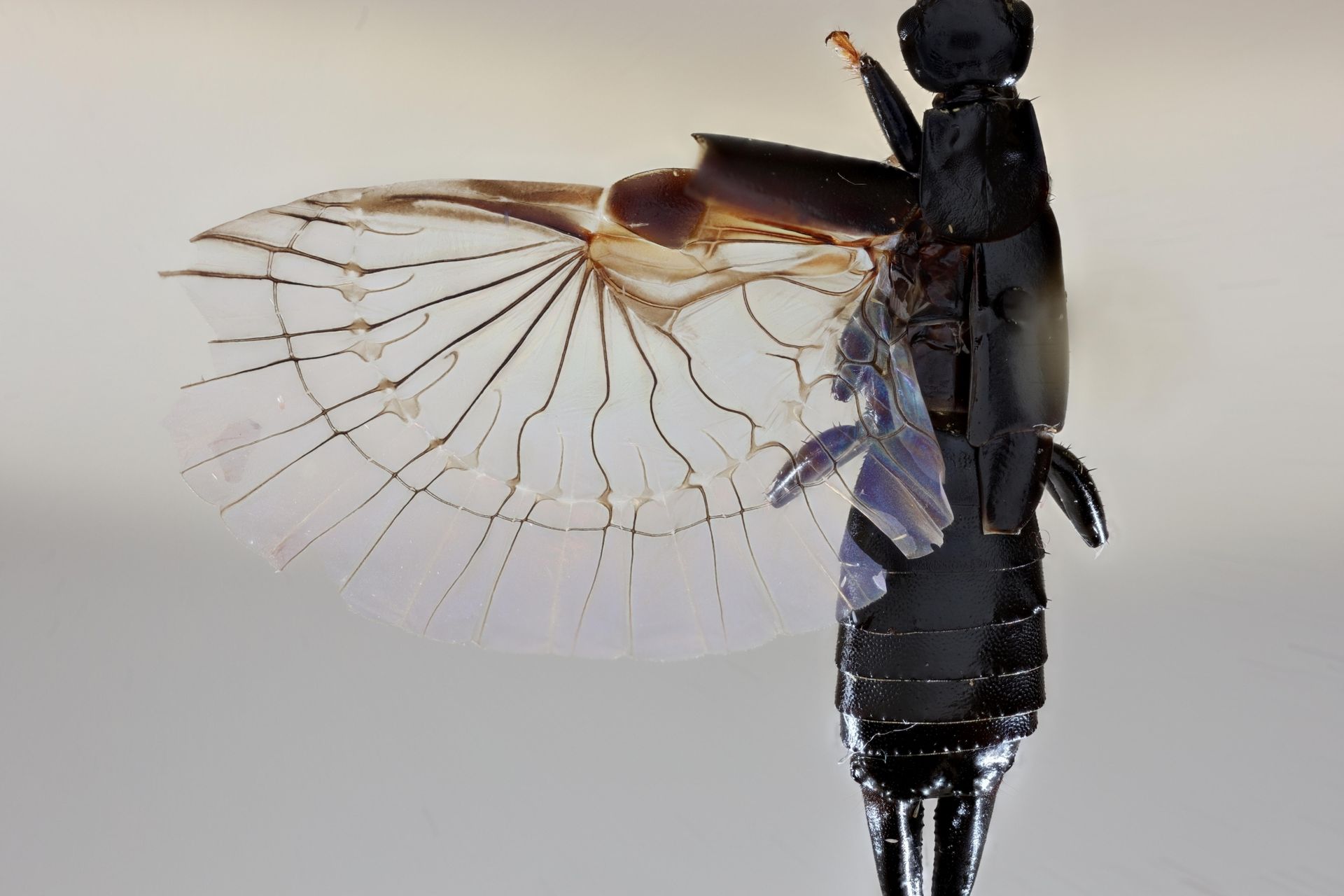
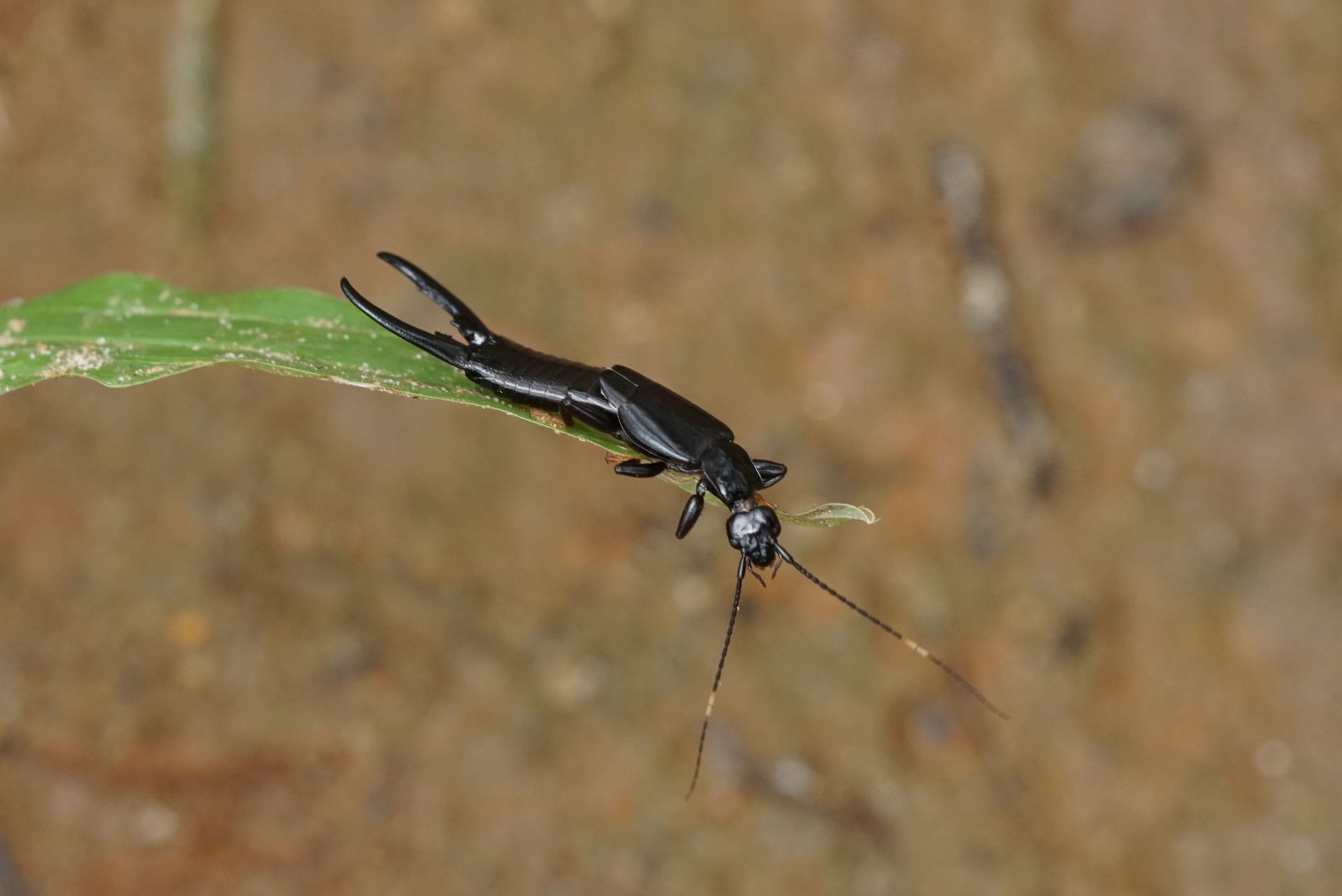
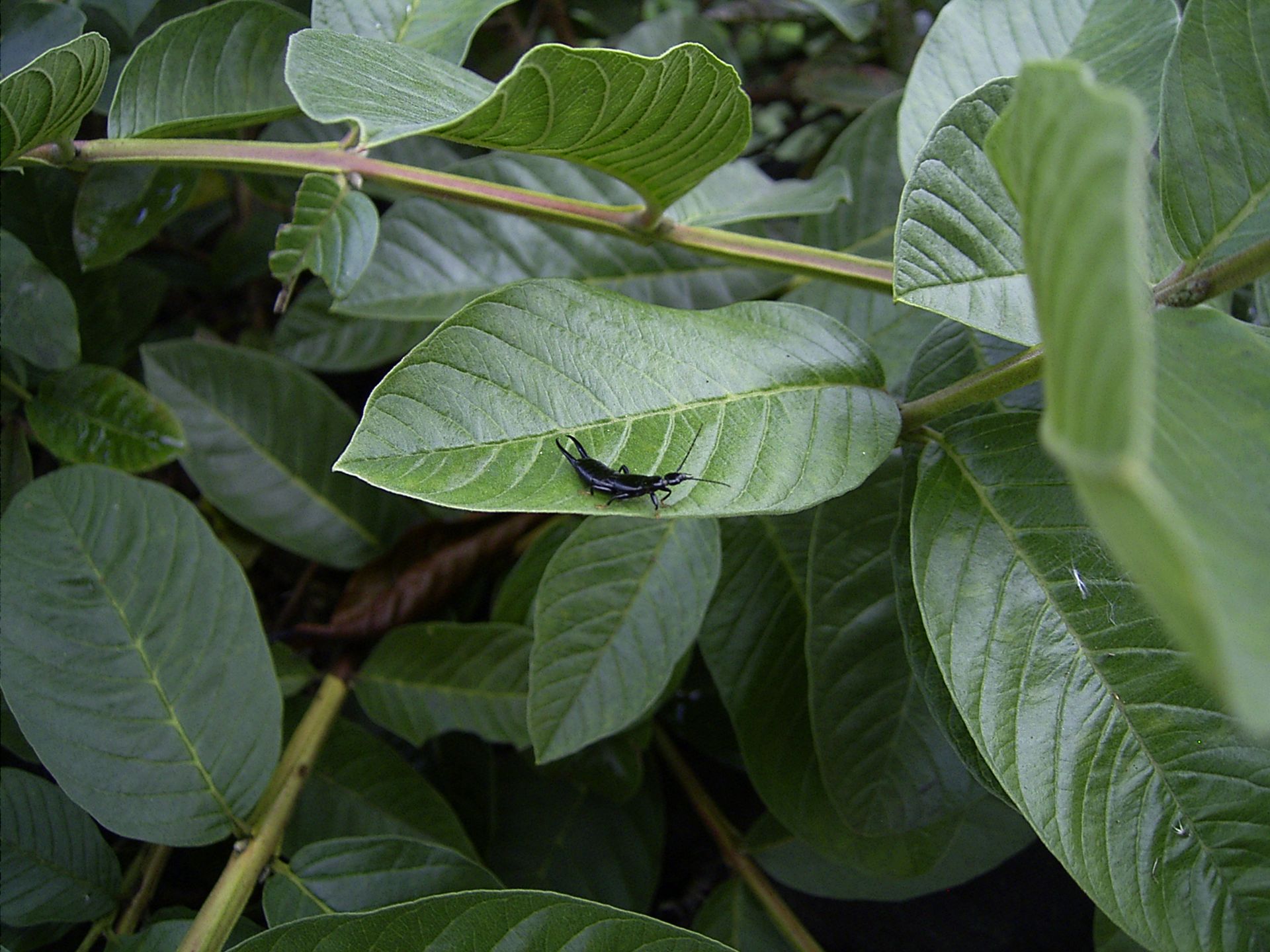
1is a of containing approximately 96 across sixteen and three . Members are commonly known as black earwigs due to their typically dark coloration. The family is primarily distributed in tropical regions of the Afrotropical, Australasian, and Oriental realms, though some species such as Chelisoches morio have become . They are distinguished from other earwig families by a projection on the second tarsal segment.
Pronunciation
How to pronounce Chelisochidae: /ˌkɛlɪˈsɒkɪˌdiː/
These audio files are automatically generated. While they are not always 100% accurate, they are a good starting point.
Identification
Look for the projection on the second tarsal segment. Dark coloration is common but not universal. The combination of this tarsal structure with general (forceps-like , short leathery forewings) confirms placement.
Images
Habitat
Primarily tropical and subtropical environments. Specific microhabitat preferences vary by but generally include ground litter, soil crevices, and decaying vegetation.
Distribution
Afrotropical, Australasian, and Oriental realms. Some , notably Chelisoches morio, are and have spread beyond their native range.
Diet
. Chelisoches morio has been observed feeding on mealybug larvae (Dysmicoccus neobrevipes), leaf-mining insect larvae, and vegetation. Laboratory studies indicate adaptable feeding habits including artificial diets.
Life Cycle
stage followed by nymphal development. In Chelisoches morio: eggs hatch in 13–16 days, followed by five nymphal instars lasting 38–56 days. Total development from egg to ranges from 51–72 days depending on diet. Adult longevity ranges from 61–149 days.
Behavior
feeding activity observed. Chelisoches morio exhibits courtship prior to mating, with pairs capable of multiple consecutive matings. Females display maternal care, including whisking with mouthparts, rearranging or transferring eggs before hatching, and feeding hatchlings via mouthpart contact. occurs under crowded conditions or food scarcity.
Ecological Role
of soft-bodied insects including mealybugs and leaf-mining insect larvae. Chelisoches morio has been investigated as a agent for agricultural pests.
Human Relevance
Chelisoches morio has been mass-reared for potential use in of mealybugs in agricultural settings. Some may occur in human-modified environments due to distribution.
Similar Taxa
- ForficulidaeAnother common earwig ; distinguished by the absence of the projection on the second tarsal segment present in .
- LabiduridaeSimilar general ; lacks the diagnostic tarsal projection and typically has different body proportions.
More Details
Subfamilies
The comprises three : Chelisochinae (containing the majority of ), Genitalatinae (: Genitalata), and Kinesinae (containing ).
Laboratory Rearing
Mass rearing techniques have been developed for Chelisoches morio, enabling large- production for research and potential biocontrol applications.