
Coxelus serratus
Horn, 1885
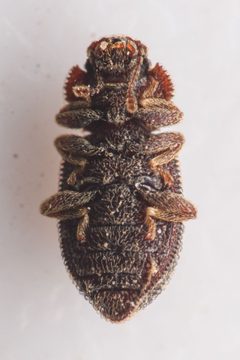
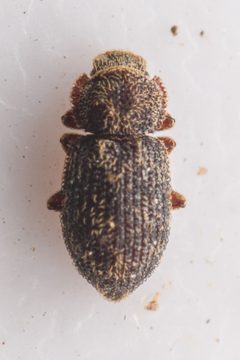
Coxelus serratus is a of cylindrical bark beetle in the Zopheridae, first described by George Henry Horn in 1885. The species belongs to a group of beetles adapted to life under bark, though specific ecological details remain poorly documented. It is known from scattered records across North America.
Pronunciation
How to pronounce Coxelus serratus: /ˈkɒksɛləs sɛˈreɪtəs/
These audio files are automatically generated. While they are not always 100% accurate, they are a good starting point.
Identification
The specific epithet 'serratus' suggests a serrated or toothed feature, likely referring to the elytral margin or , though diagnostic characters for distinguishing C. serratus from are not readily available in accessible literature. As a member of Coxelus, it shares the cylindrical body form characteristic of this .
Images
Habitat
As a cylindrical bark beetle, it is presumed to inhabit spaces beneath bark of dead or dying trees, though specific associations have not been documented.
Distribution
North America. Specific state or provincial records are sparse; GBIF and iNaturalist data indicate presence but with limited observation points.
Similar Taxa
- Other Coxelus speciesCoxelus contains multiple North American that share the cylindrical bark beetle habitus; reliable separation requires examination of male genitalia or other subtle morphological features not summarized in general references.
- Other ZopheridaeThe Zopheridae includes diverse forms; cylindrical bark beetles in the Colydiinae (now often treated as Zopheridae) share similar and body shapes, requiring careful examination of antennal structure and elytral sculpturing for identification.
More Details
Taxonomic history
The was described by George Henry Horn in 1885, a prominent American coleopterist. The Coxelus has undergone taxonomic revisions, with some authorities previously placing it in the , now synonymized with Zopheridae.
Data scarcity
With only 4 observations in iNaturalist and limited GBIF records, Coxelus serratus appears genuinely rare or undercollected. This data poverty reflects both the cryptic lifestyle of bark beetles and possible genuine rarity.