Nalassus aereus
(Germar, 1823)
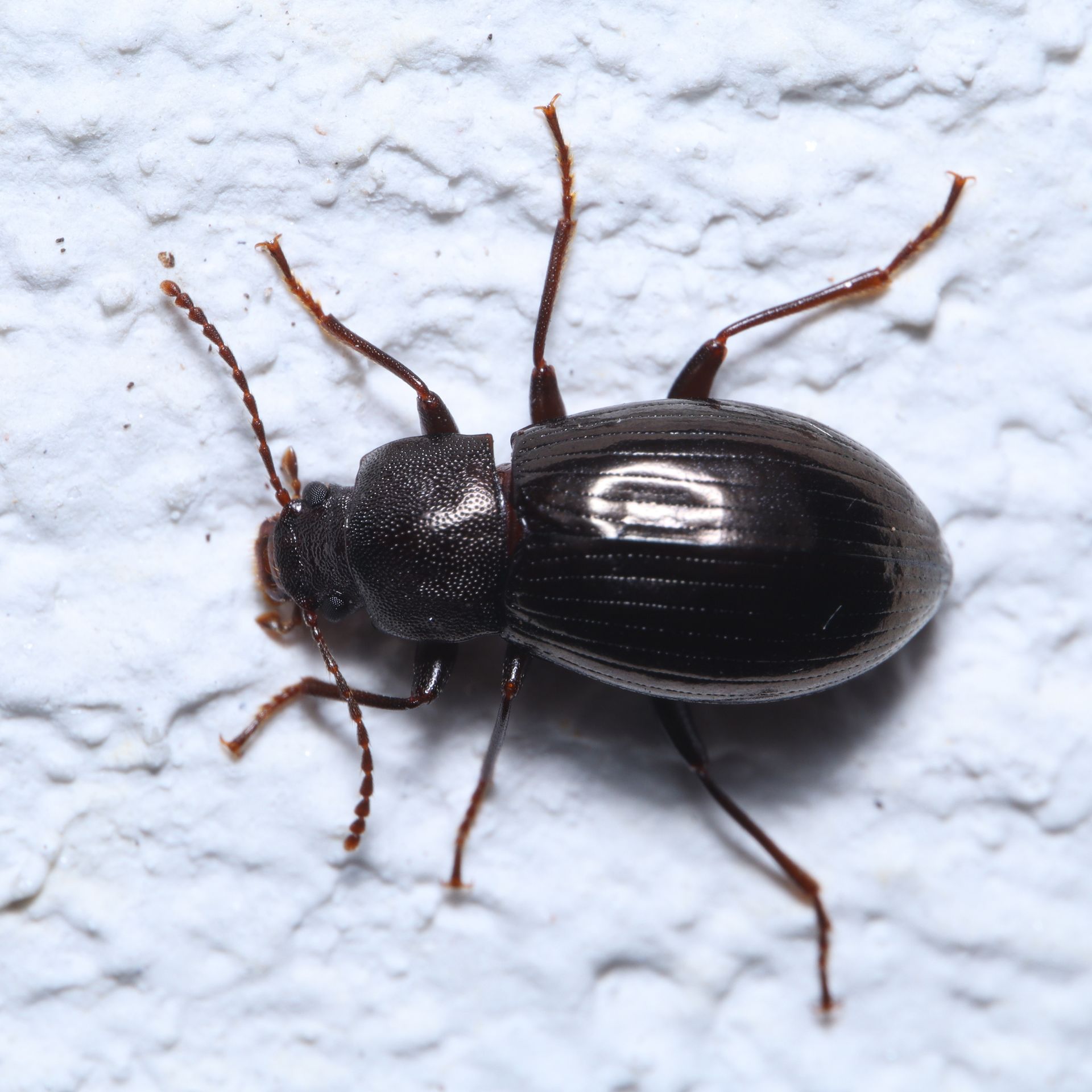
Nalassus aereus is a of darkling beetle in the Tenebrionidae, tribe Palorini. The species was described by Germar in 1823. As a member of this tribe, it is associated with stored products and dry organic matter. The Nalassus includes species commonly found in granaries, warehouses, and similar environments.
Pronunciation
How to pronounce Nalassus aereus: //nəˈlasəs ˈaɪɹiəs//
These audio files are automatically generated. While they are not always 100% accurate, they are a good starting point.
Identification
Members of the tribe Palorini, including Nalassus , are typically small to medium-sized darkling beetles with somewhat elongate bodies. Identification to species level requires examination of specific morphological characters including structure, pronotal shape, and male genitalia. The specific epithet "aereus" (bronze or coppery) may refer to coloration, though this requires verification from original description.
Images
Habitat
in the tribe Palorini are typically found in association with stored products, dry organic matter, and human-modified environments including granaries, warehouses, and food storage facilities.
Human Relevance
in the Nalassus and related Palorini are frequently encountered as pests of stored products. They may infest grain, dried foodstuffs, and other stored organic materials, potentially causing economic damage in storage facilities.
Similar Taxa
- Nalassus laevioctostriatusCongeneric in the same tribe, potentially overlapping in and distribution; separation requires detailed morphological examination
- Palorus subdepressusMember of the same tribe Palorini with similar as a stored product pest; differs in -level characters
More Details
Taxonomic Note
The Nalassus has undergone taxonomic revision. Some previously placed in related genera have been transferred to Nalassus. The tribe Palorini (formerly known as Cossyphini in part) includes several genera of economic importance as stored product pests.
Nomenclatural History
The was originally described by Germar in 1823. The name has been subject to synonymy with related genera in historical literature, though Nalassus is currently accepted.