
Cerenopus
J.L. LeConte, 1851
Species Guides
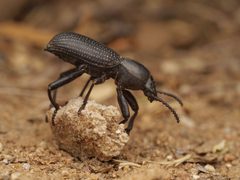
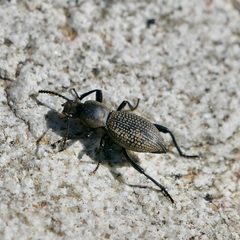
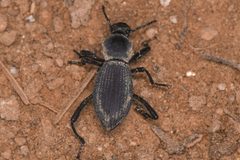
1Cerenopus is a of darkling beetles in the Tenebrionidae, tribe Cerenopini. The genus was established by John Lawrence LeConte in 1851 and is native to North America. in this genus are ground-dwelling beetles associated with arid and semi-arid environments. The genus is moderately well-represented in entomological collections, with over 500 observations documented on iNaturalist.
Pronunciation
How to pronounce Cerenopus: /sɛˈrɛnəpəs/
These audio files are automatically generated. While they are not always 100% accurate, they are a good starting point.
Identification
Cerenopus can be distinguished from other Tenebrioninae by their placement in the tribe Cerenopini, which is characterized by specific morphological features of the and tarsal structure. Members of this generally have elongate bodies with parallel sides, typical of many ground-dwelling tenebrionids. Definitive identification to species requires examination of genitalic characters and fine details of punctuation and setation patterns.
Images
Habitat
in this inhabit arid and semi-arid regions, including desert scrub, grasslands, and open sandy areas. They are ground-dwelling beetles often found under debris, stones, or within soil cracks during daylight hours.
Distribution
North America, with distributed across western and southwestern United States and adjacent regions of Mexico.
Behavior
Has been observed seeking shelter under surface objects during daytime, consistent with activity patterns common in desert-dwelling tenebrionid beetles.
Ecological Role
Functions as a in arid , contributing to decomposition processes and nutrient cycling in dryland environments.
Human Relevance
No direct economic or medical significance. Occasionally encountered by entomologists and naturalists in field surveys of desert .
Similar Taxa
- EleodesBoth are elongate, ground-dwelling tenebrionids in arid , but Eleodes belongs to tribe Eleodini and typically has more pronounced defensive gland secretions and different antennal club structure.
- AsbolusShares desert preferences and general body form, but Asbolus often exhibit distinct coloration patterns and belong to a different tribe within Tenebrioninae.
More Details
Taxonomic History
The was established by prominent American entomologist J.L. LeConte in 1851, reflecting early systematic work on North American Coleoptera. The tribe Cerenopini was erected to accommodate this and related genera based on shared derived characters of the mouthparts and legs.
Research Status
While the is recognized in major taxonomic databases, -level and natural history remain incompletely documented in primary literature. Most observations derive from general collecting rather than targeted ecological study.