
Nyctoporini
Lacordaire, 1859
Genus Guides
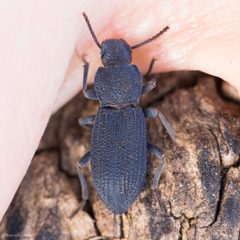
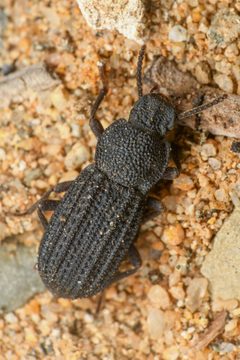
1Nyctoporini is a tribe of darkling beetles ( Tenebrionidae, Pimeliinae) established by Lacordaire in 1859. The tribe includes the Nyctoporis, which contains approximately five described distributed in North America. Members of this tribe are ground-dwelling beetles associated with arid and semi-arid environments.
Pronunciation
How to pronounce Nyctoporini: /nɪktoʊˈpɔːrɪnaɪ/
These audio files are automatically generated. While they are not always 100% accurate, they are a good starting point.
Identification
Nyctoporini can be distinguished from related tenebrionid tribes by features of the tarsal structure and body form characteristic of Pimeliinae. Within Pimeliinae, the tribe is recognized by specific morphological traits that separate it from tribes such as Pimeliini and Epitragini, though precise diagnostic characters require examination of specimens.
Images
Habitat
Associated with xeric and semi-xeric environments including deserts, arid grasslands, and dry scrublands. Members have been observed in rocky areas and under surface debris.
Distribution
North America, with records from the southwestern United States and Mexico. The Nyctoporis is the primary documented representative of this tribe in the region.
Ecological Role
Ground-dwelling contributing to decomposition processes in arid .
Similar Taxa
- PimeliiniBoth tribes occur within Pimeliinae and share xeric-adapted morphologies; Pimeliini is generally more diverse and widespread, with different tarsal and elytral characteristics.
- EpitraginiAnother tribe within Pimeliinae with overlapping distribution; differs in body proportions and antennal structure.
More Details
Taxonomic history
The tribe was established by Lacordaire in 1859. Modern phylogenetic studies within Tenebrionidae continue to refine tribal boundaries in Pimeliinae, and the composition of Nyctoporini may be subject to revision as more data become available.